
Operating a Clean Booth is not just about turning on equipment but managing airflow, human behavior, and system stability. Proper operation ensures consistent cleanliness and ISO GMP compliance.
- What is the correct way to operate a Clean Booth to maintain stable cleanliness levels?
- How does a Clean Booth operate during a continuous production shift and what must be maintained?
- How long should a Clean Booth run before use to reach stable conditions?
- When should a Clean Booth be shut down and what is the correct procedure?
- What safety features are typically included in Clean Booth operation?
- Is operator training required and what should it include?
- What operational rules must personnel follow inside a Clean Booth?
- Should Clean Booth conditions be checked before each shift and what should be inspected?
- Is airflow monitoring required during operation and how is it done?
- Is pressure differential control required during operation?
- Is cleaning required during operation and how often?
- Are operational logs required and what is their purpose?
- Is continuous monitoring necessary and how is it implemented?
- How does operator behavior affect Clean Booth performance?
- Should the number of operators inside a Clean Booth be controlled?
- Should materials entering a Clean Booth be controlled?
- How should alarms be handled during operation?
- Can a Clean Booth operate continuously 24/7 and under what conditions?
- Are SOPs required for Clean Booth operation and what is their role?
- How can long-term stable and compliant Clean Booth operation be ensured?
In real-world operation, “VCR Cleanroom Equipment” has found that the same system can perform very differently depending on how it is operated, especially in terms of airflow control and operator behavior during production.
What is the correct way to operate a Clean Booth to maintain stable cleanliness levels?
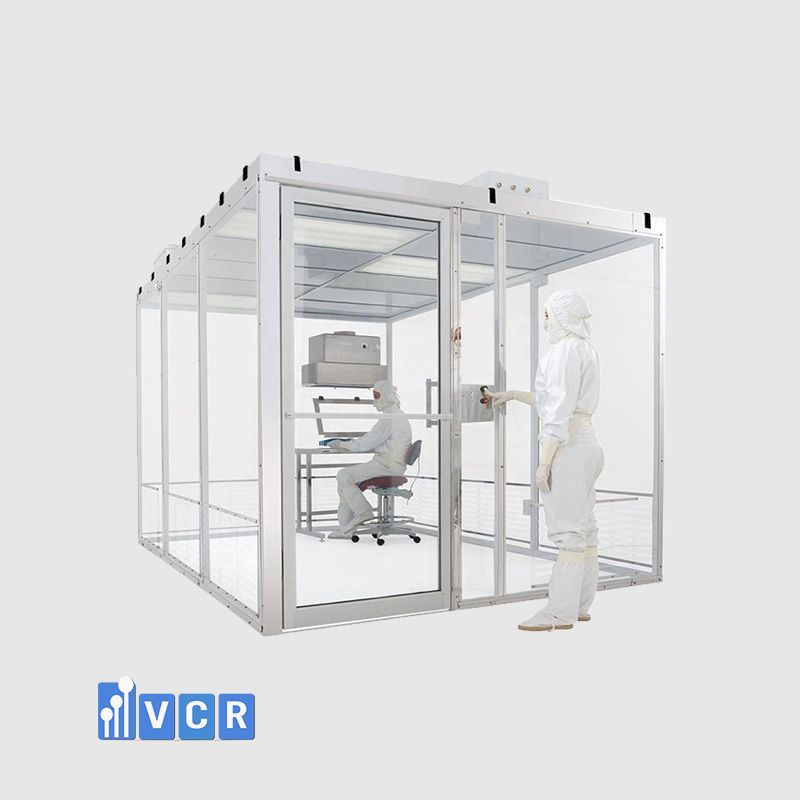
A Clean Booth should be operated according to standard procedures, including starting FFUs before use, checking airflow conditions, ensuring positive pressure, and confirming that the environment has stabilized before introducing materials or products. These are fundamental principles for maintaining cleanliness levels.
In practice, correct operation goes beyond technical steps and includes controlling operator behavior such as minimizing rapid movements, avoiding unnecessary opening of enclosures, and following cleaning protocols. Without this, system performance may degrade despite proper equipment function.
How does a Clean Booth operate during a continuous production shift and what must be maintained?
During production, a Clean Booth operates continuously through FFUs to maintain stable airflow and positive pressure, ensuring a consistent clean environment. Continuous operation is essential for system stability.
Frequent shutdown and restart can cause environmental fluctuations, increasing recovery time and potentially affecting product quality. Therefore, maintaining uninterrupted operation during shifts is critical.
How long should a Clean Booth run before use to reach stable conditions?
A Clean Booth should be operated in advance for a sufficient period to stabilize airflow and achieve the required cleanliness level, depending on system size and configuration.
In practice, this may range from a few minutes to longer durations. Using the system before stabilization may result in processing under non-compliant conditions.
When should a Clean Booth be shut down and what is the correct procedure?
A Clean Booth should only be shut down after production or during maintenance, following proper procedures to avoid disrupting airflow and pressure balance.
Improper shutdown can lead to dust accumulation and environmental instability, affecting future operation.
What safety features are typically included in Clean Booth operation?
Clean Booths often include safety features such as overload protection, alarm systems, and automatic shutdown mechanisms to ensure safe operation.
These features reduce operational risks but must be regularly checked to ensure proper functionality.
Is operator training required and what should it include?
Operators must be trained in system principles, operating procedures, contamination control, and troubleshooting to ensure consistent and correct use.
Training reduces errors and helps operators understand their role in maintaining a clean environment.
What operational rules must personnel follow inside a Clean Booth?
Operators should minimize rapid movements, avoid disrupting airflow, follow hygiene protocols, and control materials entering the clean zone.
Human behavior is one of the most significant factors affecting Clean Booth performance and must be strictly managed.
Should Clean Booth conditions be checked before each shift and what should be inspected?
Before each shift, FFU status, airflow, airtightness, pressure differential, and environmental conditions should be verified to ensure readiness.
Pre-checks help identify issues early and prevent production risks.
Is airflow monitoring required during operation and how is it done?
Airflow must be monitored continuously or periodically to ensure proper distribution and prevent dead zones.
Monitoring can be performed using sensors or environmental monitoring systems to maintain performance.
Is pressure differential control required during operation?
Pressure differential must be maintained to ensure proper airflow direction and prevent contamination.
Unstable pressure can significantly reduce system effectiveness.
Is cleaning required during operation and how often?
Regular cleaning is required to remove particles and maintain environmental conditions, especially on critical surfaces.
The frequency depends on usage intensity and cleanliness requirements.
Are operational logs required and what is their purpose?
Operational logs record system performance over time and serve as critical evidence for GMP compliance and audits.
They also help identify trends and detect deviations early.
Is continuous monitoring necessary and how is it implemented?
Continuous monitoring allows immediate detection of deviations and ensures system stability.
It can be implemented through automated monitoring systems or scheduled inspections.
How does operator behavior affect Clean Booth performance?
Actions such as rapid movement, improper handling, or unnecessary opening can disrupt airflow and reduce system efficiency.
Proper training and discipline are essential to maintain performance.
Should the number of operators inside a Clean Booth be controlled?
The number of operators must be limited to prevent system overload and excessive particle generation.
Controlling occupancy helps maintain stable cleanliness levels.
Should materials entering a Clean Booth be controlled?
All materials must be cleaned and controlled before entering to prevent contamination.
This reduces the introduction of external particles.
How should alarms be handled during operation?
Any alarm must be addressed immediately according to SOP to prevent environmental deviation and product impact.
Delayed response can lead to serious contamination risks.
Can a Clean Booth operate continuously 24/7 and under what conditions?
Clean Booths can operate continuously if properly designed and maintained, ensuring system stability over time.
Continuous operation supports environmental consistency but requires proper maintenance planning.
Are SOPs required for Clean Booth operation and what is their role?
SOPs standardize operating procedures and ensure consistent system use across all personnel.
They are essential for maintaining compliance and reducing variability.
How can long-term stable and compliant Clean Booth operation be ensured?
Effective operation requires a combination of standardized procedures, trained personnel, environmental monitoring, and regular maintenance to maintain system control.
A well-managed system not only sustains cleanliness levels but also reduces costs, minimizes deviations, and ensures continuous ISO and GMP compliance.
Duong VCR