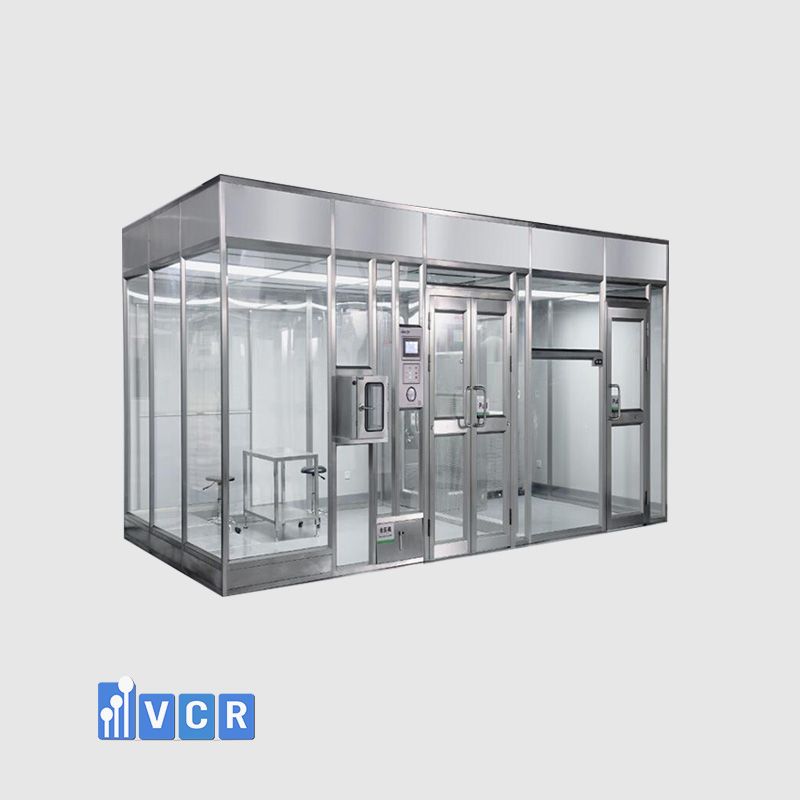
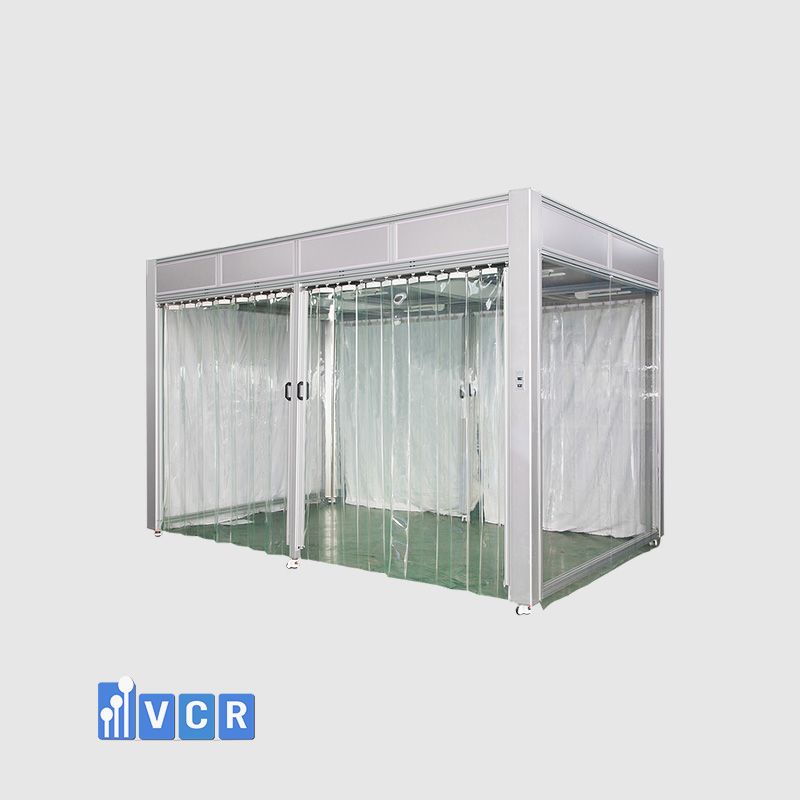
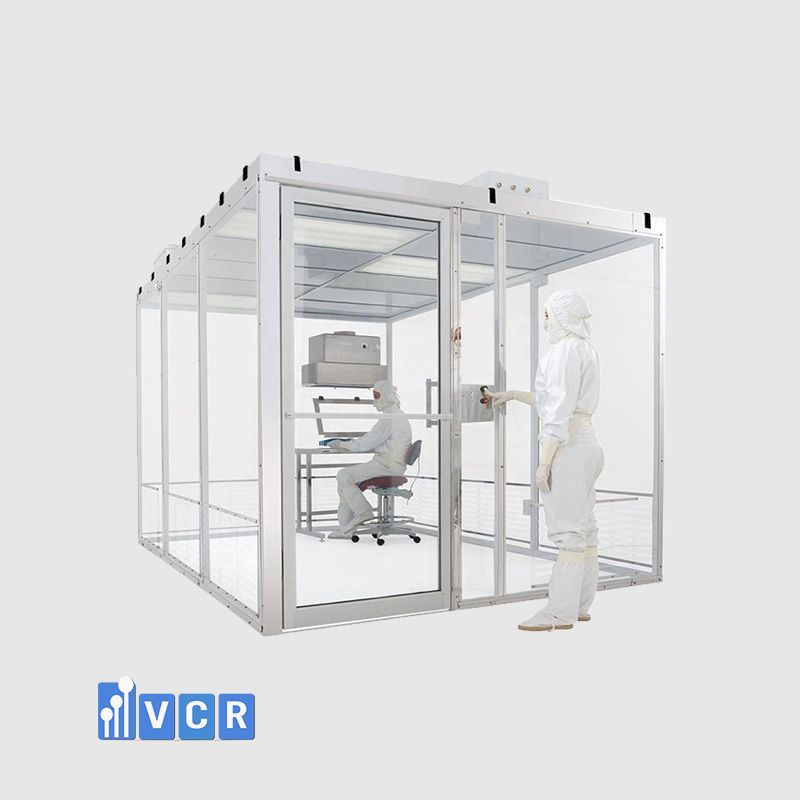
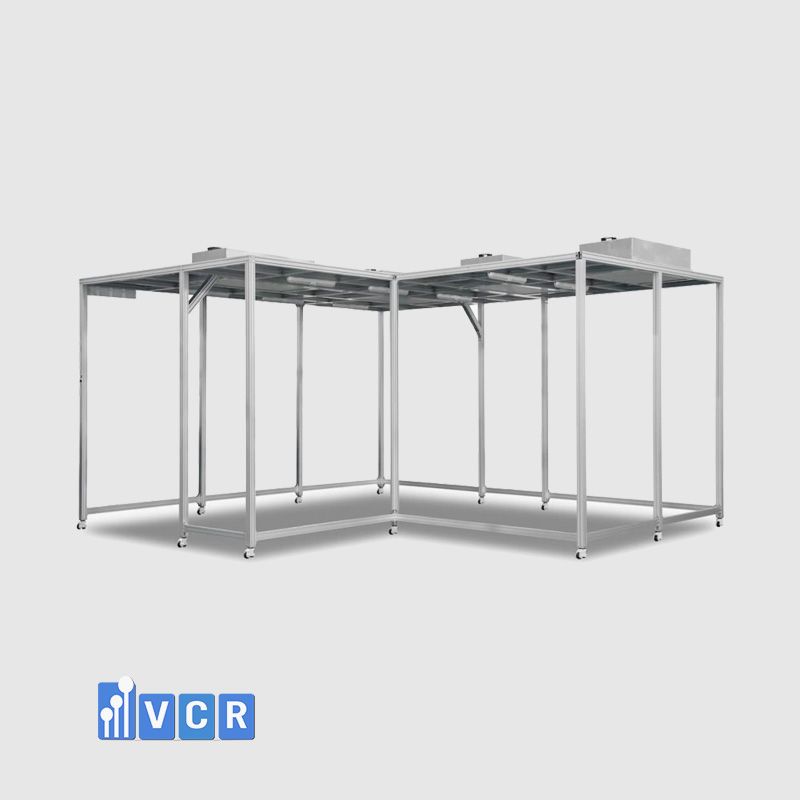
In real-world operation, “VCR Cleanroom Equipment” has found that most Clean Booth issues are not major failures but small deviations accumulating over time, especially related to airflow, maintenance, and improper operation.
Why does a Clean Booth fail to operate and what is the correct troubleshooting sequence?
When a Clean Booth fails to operate, the most common causes are power supply issues, control system faults, or FFUs not receiving power. The first step is to check the main power source, circuit breakers, switches, and wiring connections.
In practice, troubleshooting should follow a logical sequence from simple to complex: power → control system → FFU → filtration system. This structured approach minimizes downtime and helps identify root causes efficiently.
Why is airflow weak in a Clean Booth and how can it be fully resolved?
Weak airflow is typically caused by clogged HEPA filters, reduced FFU performance, or air leakage within the system. This directly impacts cleanliness levels.
A complete solution requires measuring filter pressure differential, checking airflow velocity, and verifying system airtightness. Replacing filters or servicing FFUs may be necessary to restore proper airflow.
Why does a Clean Booth fail particle count despite appearing to function normally?
Possible causes include insufficient airflow, uneven air distribution, degraded HEPA filters, or improper operator behavior disrupting airflow.
Effective troubleshooting requires both technical inspection and operational evaluation, including occupancy and movement patterns. Ignoring human factors often leads to incomplete solutions.
Why is pressure differential unstable and what are the consequences?
Pressure instability may result from air leakage, environmental fluctuations, or uneven FFU performance, disrupting controlled airflow direction.
This can allow contaminated air to enter clean areas, compromising cleanliness levels and GMP compliance. Airtightness and airflow balance must be corrected.
Why does a Clean Booth produce abnormal noise and how should it be handled?
Abnormal noise is usually caused by worn FFU fans, mechanical misalignment, or loose components, indicating early-stage mechanical issues.
Inspection should focus on FFUs, mounting points, and structural stability. Early correction prevents major failures.
Why does a Clean Booth vibrate during operation and is it dangerous?
Vibration is often due to unbalanced FFUs, unstable frames, or improper installation, affecting system stability.
If not addressed, it can lead to structural loosening, reduced equipment life, and airflow disruption. Immediate correction is required.
Why do FFUs fail or operate inconsistently?
Causes include power issues, fan damage, control system faults, or unstable connections, directly affecting airflow performance.
Troubleshooting requires checking power supply, control signals, and fan condition.
Why do HEPA filters clog faster than expected and how can this be prevented?
Rapid clogging is often due to high dust environments, lack of pre-filters, or poor maintenance practices.
Preventive measures include installing proper pre-filtration and maintaining regular cleaning schedules.
Why does a Clean Booth produce unusual odors during operation?
Unusual odors may result from dust accumulation, internal materials, or external environmental contamination.
Regular cleaning and material control help eliminate odor sources.
Why are alarm systems triggered and how should they be handled?
Alarms are typically triggered by airflow deviations, pressure changes, or electrical faults, serving as early warning signals.
They must be addressed immediately according to SOP to prevent system instability.
How can Clean Booth issues be quickly diagnosed using a technical approach?
A structured diagnostic approach follows the sequence: power → FFU → airflow → HEPA → operational environment.
This method ensures efficient troubleshooting and minimizes downtime.
When should specialized technical support be called?
Technical support should be called when issues involve complex airflow imbalance, filtration failure, or cannot be resolved through basic checks.
Incorrect handling may worsen the situation, so timely escalation is critical.
How should air leakage in a Clean Booth be resolved?
Air leakage typically occurs at joints, panels, or FFU interfaces, reducing system effectiveness.
A full inspection and sealing of leakage points is required to restore performance.
Why does Clean Booth performance degrade over time and how can it be corrected?
Performance degradation is usually due to clogged filters, FFU wear, or lack of maintenance, leading to reduced airflow.
A comprehensive maintenance review and component replacement restore system efficiency.
What should be done in case of sudden power failure?
Power failures require checking supply and restarting the system following proper procedures to avoid system shock.
Controlled restart ensures quick stabilization.
How should recurring faults be handled?
Recurring faults indicate unresolved root causes and require a system-wide evaluation rather than isolated fixes.
Root cause analysis is essential for long-term resolution.
Is a backup system necessary for Clean Booth operation?
In critical applications, backup systems ensure continuous operation and reduce downtime risks.
This is especially important in GMP environments.
Why do deviations occur after maintenance and how can they be prevented?
Post-maintenance deviations often result from improper reinstallation or lack of recalibration.
Verification and recalibration after maintenance are essential.
Is periodic calibration required and what is its purpose?
Calibration ensures that airflow, pressure, and monitoring systems remain accurate and aligned with design specifications.
It is essential for maintaining system reliability.
How can a sustainable troubleshooting system be built for Clean Booth operations?
A sustainable approach includes standardized troubleshooting procedures, trained personnel, systematic data recording, and periodic analysis. This ensures long-term stability.
A well-managed system not only resolves issues quickly but also reduces failure frequency, optimizes cost, and maintains ISO and GMP compliance over time.
Duong VCR