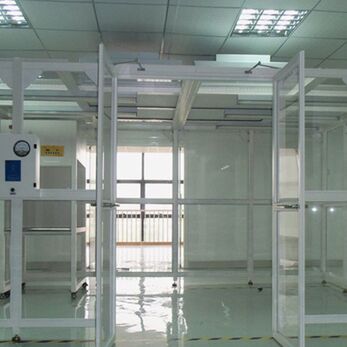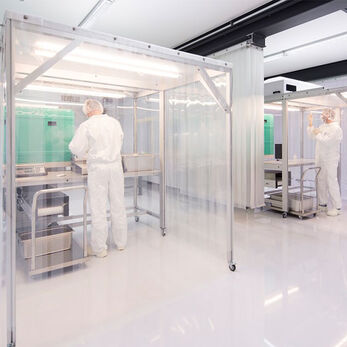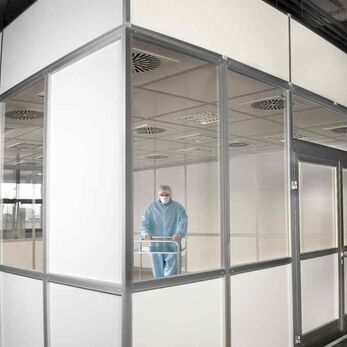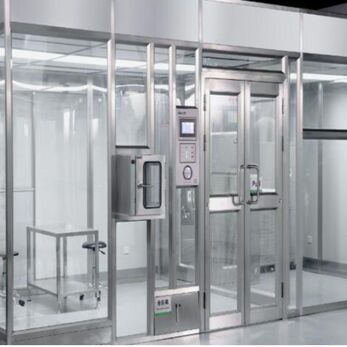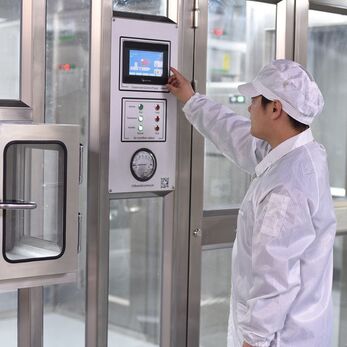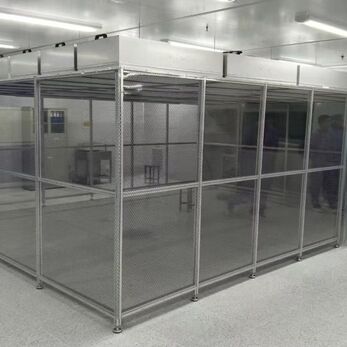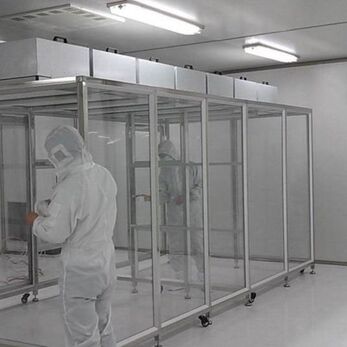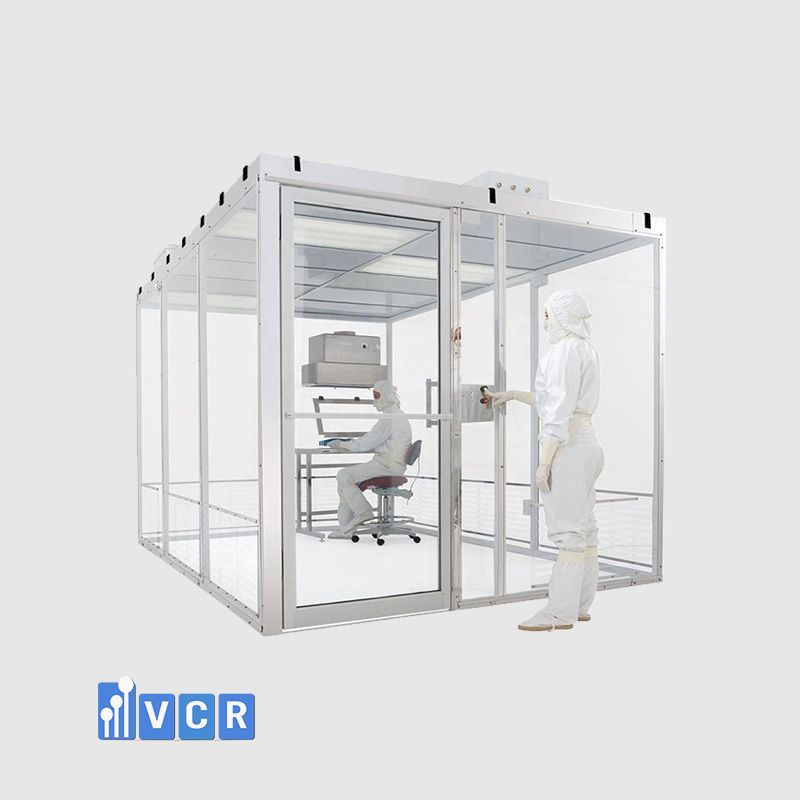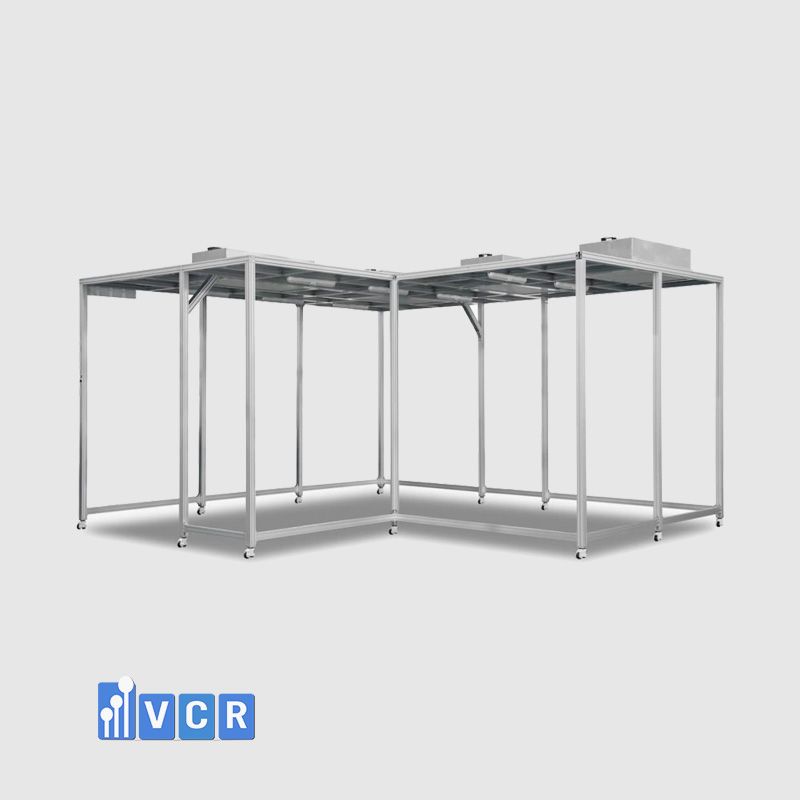

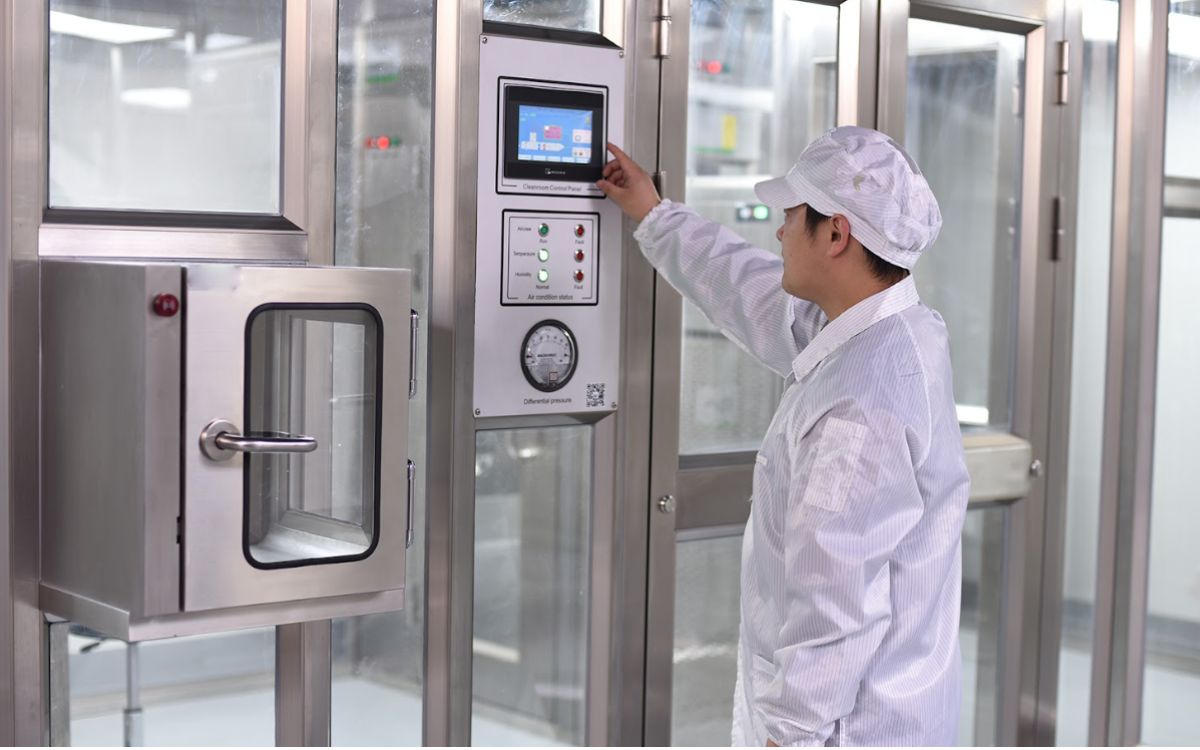
Before installing a Clean Booth in a pharmaceutical plant, it is essential to correctly determine the required cleanliness class, the specific usage purpose and the location within the production line. A GMP-standard installation checklist helps enterprises optimise investment, ensure aseptic control, and meet audit requirements.
- 1. Determine the GMP requirements for the area where the Clean Booth will be used
- 2. Clean Booth size and configuration
- 3. Construction materials that meet GMP standards
- 4. Air filtration & pressure control system
- 5. Lighting and electrical system
- 6. Cross-contamination prevention solutions
- 7. Supporting equipment and accessories
- 8. Qualification and handover documentation
- Frequently Asked Questions (FAQ)
1. Determine the GMP requirements for the area where the Clean Booth will be used
Before installing the Clean Booth in a pharmaceutical plant, the first and most important step is to correctly determine the GMP requirements of the usage area. This ensures that the system is designed according to function, avoids unnecessary investment and supports audit compliance.
Classification of required cleanliness level (according to ISO 14644-1)
-
Based on the type of product produced (injectables, oral dosage, raw materials, …)
-
Common levels:
-
ISO Class 5: used for sampling of raw materials, aseptic filling
-
ISO Class 7: used for blending, semi-finished product packaging
-
ISO Class 8: used for outer packaging, boxing
-
-
Must compare with Grade A/B/C/D in EU GMP to determine equivalency.
Specify the exact usage purpose
-
Each step in pharmaceutical production has different environmental requirements, e.g.:
-
Active ingredient blending: fine dust control, cross-contamination prevention
-
Raw material sampling: high cleanliness, microbial contamination prevention
-
Finished product packaging: stable environment, dust minimisation
-
Preparation of injectable solution: requires absolute asepsis (ISO 5 or better)
-
-
Correctly determining the usage purpose helps to select the right filtration equipment, construction material and airflow solution.
Determine the installation location in the production line
-
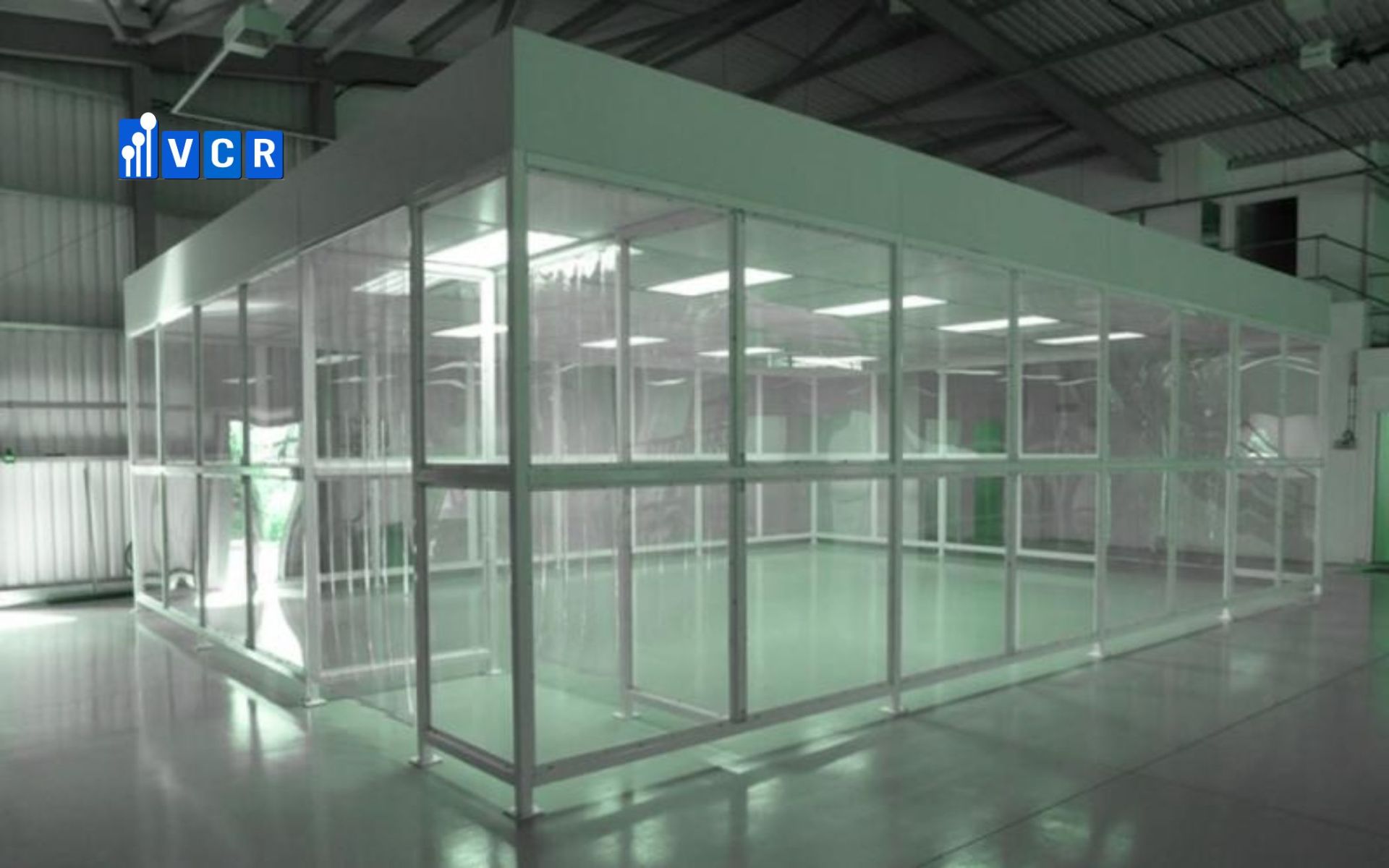
The Clean Booth can be installed in a standalone area or integrated into the production line.
-
The location must be clearly separated from non-clean areas to avoid cross-contamination.
-
Design of entry/exit flows must be reasonable, with controlled personnel and material flows.
-
Preferably locate near clean air supply or temperature/humidity-controlled zones.
Read more: Latest price list of Clean booth used in food factory
2. Clean Booth size and configuration
After determining the GMP requirements and usage purpose, the next step is to design the size and configuration according to the production process, number of operators and actual installation conditions.
Minimum floor area based on number of operators
-
Ensure comfortable operating space for staff to avoid collisions or disturbing the airflow.
-
Suggested minimum floor area (for reference):
-
1 operator: 2 - 3 m²
-
2-3 operators: 5 - 7 m²
-
-
If the Clean Booth is used for sampling or special operations, additional space for equipment or materials must be calculated.
-
Must also account for safe distance around walls/structures for maintenance.
Ceiling height compatible with the air‐filtration system
-
Standard height typically ranges from 2.2 - 2.5 m.
-
Depends on the type of FFU and thickness of HEPA filter.
-
Ensure enough space above ceiling for recirculation air and arrangement of lights & sensors.
-
In plants with low ceiling height, one can use a low-height Clean Booth or integrate filtration at the side.
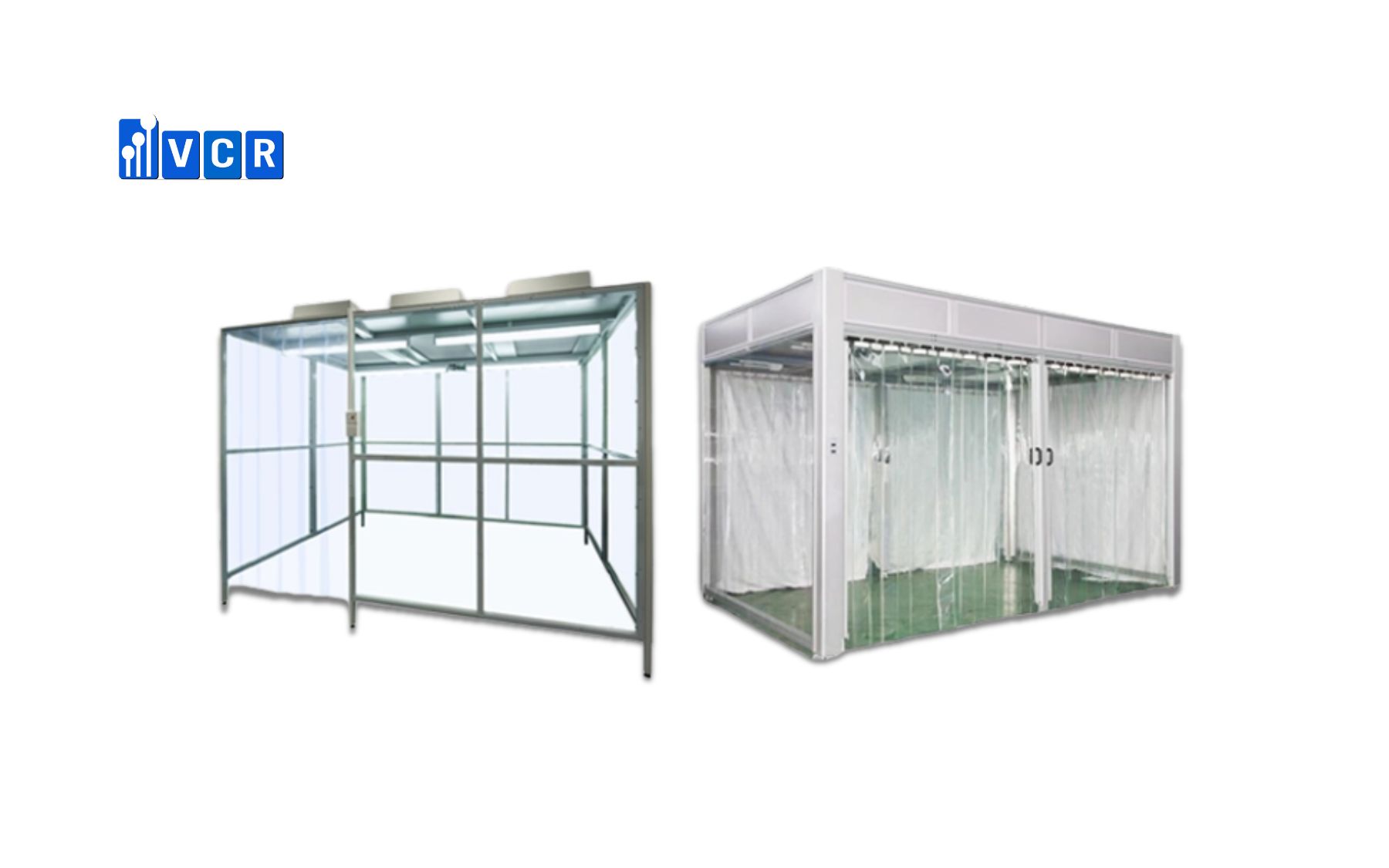
Structure type: semi-sealed or open-type
-
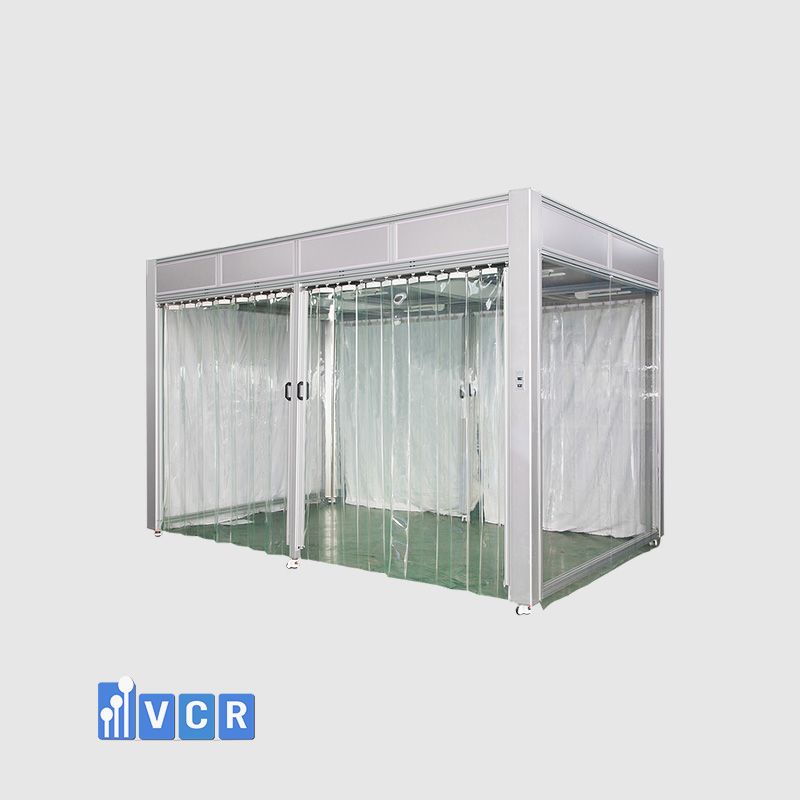
Semi-sealed type:
-
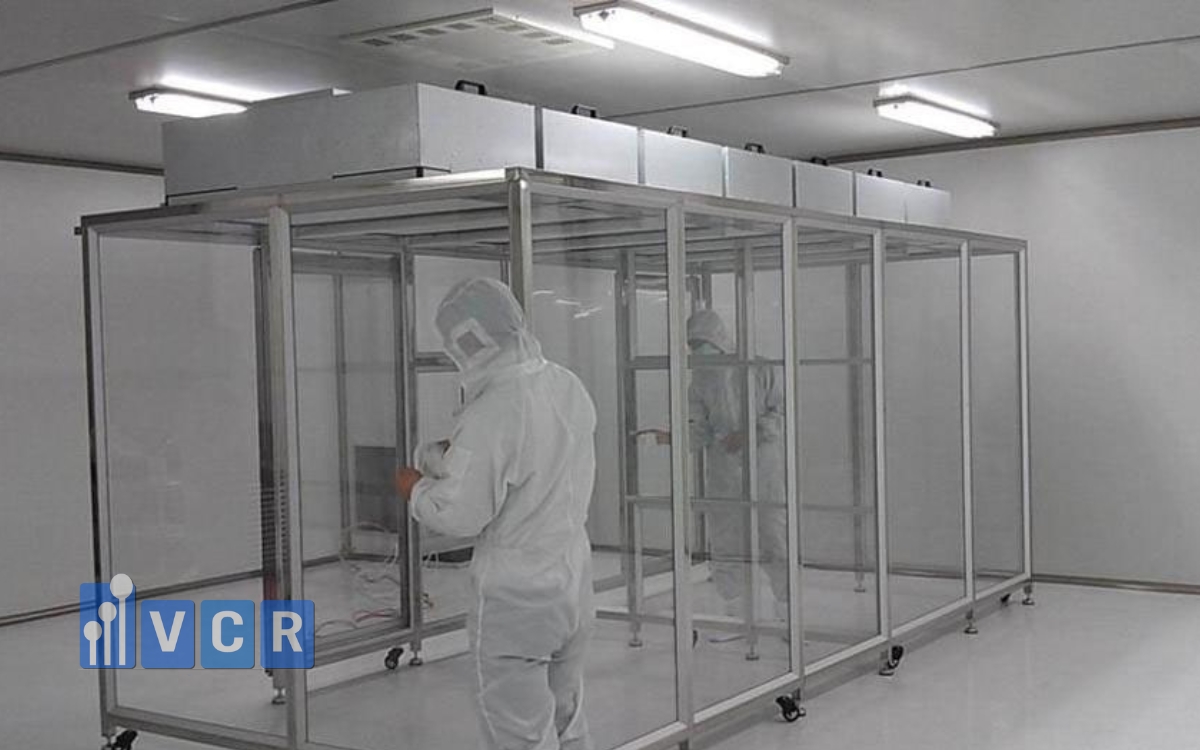
Enclosed on 4 sides, uses soft curtain or rigid panels
-
Good pressure control and cross-contamination reduction
-
Suitable for blending, sampling, packaging areas
-
-
Open-type:
-
No side walls, uses a down-flow clean air curtain from top only
-
Suitable for quick operations, areas with general environmental control
-
-
The choice of configuration depends on the control requirement of each process step.
Read more: Clean Booth or Fixed Clean Room: Which Solution is More Flexible?
3. Construction materials that meet GMP standards
Materials used in a GMP-standard Clean Booth play a key role in maintaining the clean environment, preventing particle generation and being easy to clean — also must comply with GMP design principles.
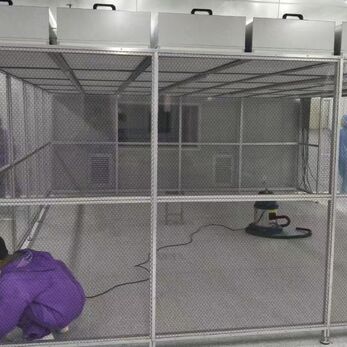
Frame: Stainless steel 304 or anodised aluminium profile
-
Stainless steel 304: corrosion‐resistant, compatible with cleaning chemicals, non‐corroding - suitable for strict pharmaceutical production environments.
-
Anodised aluminium profile: lightweight, easy to assemble, the anodised layer helps oxidation resistance and increases mechanical durability.
-
Both frame types offer smooth surface and minimise dust and microbiological accumulation.
Partition: Soft PVC curtain or rigid panel
-
Soft antistatic PVC curtain:
-
Suitable for open or semi-sealed Clean Booth configuration
-
Dust‐repellent, reduces static buildup, does not impede movement
-
-
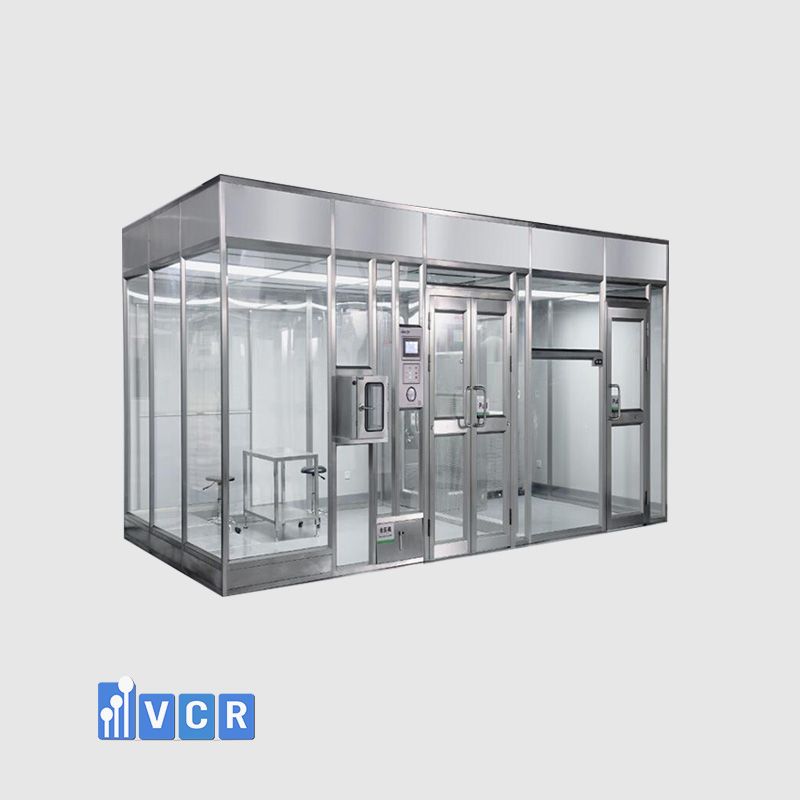
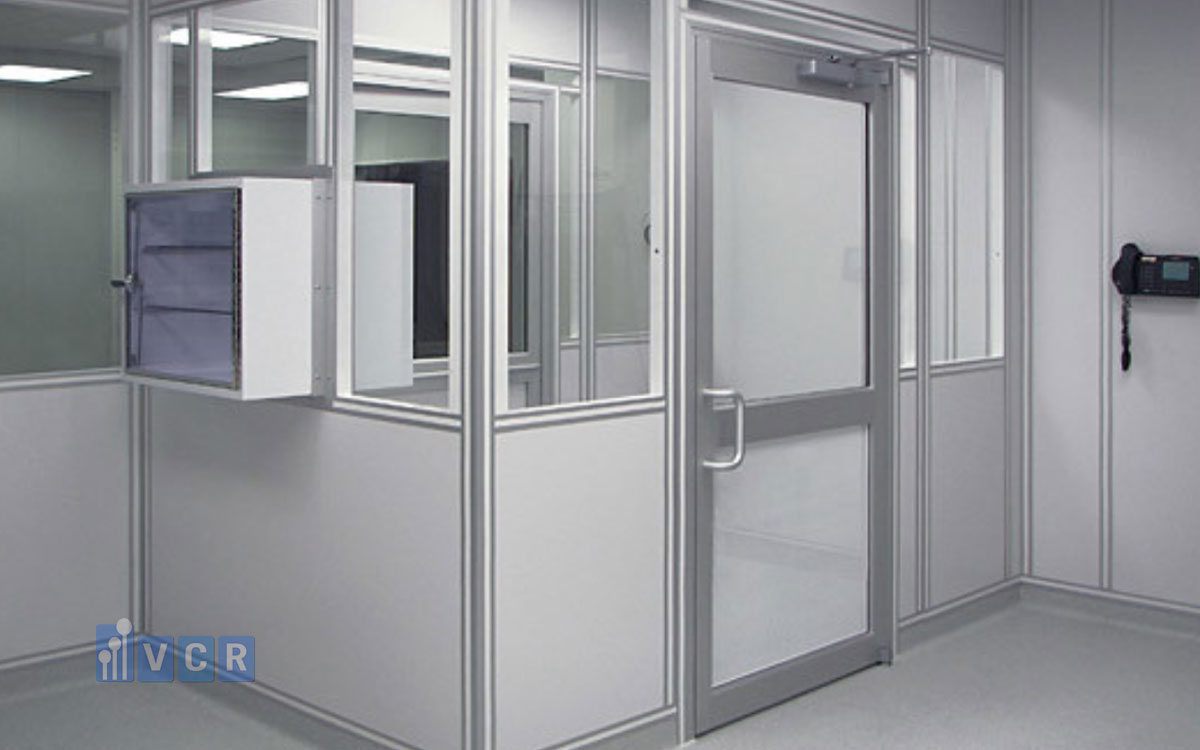
Rigid panels:
-
Usually made of PVC sheet, composite or stainless steel
-
Used for areas requiring pressure control or avoiding direct external contact
-
-
Note to select material with fire-resistance certificate and non-particulate emission during use.
Finishes: Easy to clean, non-particulate generating
-
Surfaces must:
-
Be smooth, with no grooves or gaps that trap dust
-
Resistant to cleaning chemicals such as alcohol, disinfectant solutions
-
Not chip or corrode after time of use
-
-
Preferably use materials that meet GMP, ISO 14644, or have FDA certification for indirect product contact.
Read more: Provider of HACCP‑Compliant Clean Booths for Food Processing Plants
4. Air filtration & pressure control system
The air-filtration system is the “heart” of the Clean Booth, directly deciding the quality of the cleanliness class inside the workspace. To meet GMP requirements, the Clean Booth must be equipped with precisely the right filtration components and effective pressure-control system.
HEPA filter H14 - efficiency 99.995%
-
Removes up to 99.995% of particles ≥ 0.3 µm.
-
Certified under EN 1822 or IEST standards.
-
Typically installed in the ceiling or within the FFU module.
-
Recommended replacement every 6-12 months, or when differential pressure exceeds allowable threshold.
Pre-filters G4/F7 - protect the HEPA filter
-
Installed upstream in the airflow to remove coarse dust and extend HEPA lifetime.
-
G4 (coarse): removes >90% of particles ≥ 10 µm.
-
F7 (medium): removes up to 85% of particles in the 1-3 µm range.
-
They should be cleaned or replaced periodically according to maintenance schedule.
Integrated FFU (Fan Filter Unit) - air velocity ≥ 0.45 m/s
-
FFU is a module integrating a fan and HEPA filter.
-
Provides vertical laminar flow (down-flow) clean air.
-
Standard air velocity: at least 0.45 m/s at the working surface.
-
Can be speed-adjusted or connected to remote monitoring system.
Differential pressure control relative to adjacent areas
-
Maintain positive pressure inside the Clean Booth to prevent dust & microbes from outside entering.
-
Ideal differential pressure: ≥ 10-15 Pa compared to adjacent area.
-
Use magnehelic gauge or electronic sensor.
-
The system needs periodic calibration to ensure accuracy.
Read more: Clean Booth inspection checklist before putting into production
5. Lighting and electrical system
The lighting and electrical system inside the Clean Booth must be designed to meet safety, illuminance and ease-of-cleaning requirements according to GMP. A scientifically laid-out arrangement helps employees work effectively while minimising contamination risk from electrical equipment.
Recessed LED lighting - GMP illuminance standard (≥ 300 lux)
-
Use recessed ceiling LED lights so that the ceiling surface is flat and there are no ledges trapping dust.
-
Minimum illuminance in pharmaceutical manufacturing area: ≥ 300 lux.
-
Neutral light colour (4000-5000 K) aids colour recognition and prevents eye fatigue.
-
Lamp housing should be IP65 or higher to resist dust, moisture and allow easy cleaning.
Waterproof, dust-proof electrical outlets (IP54 or above)
-
Provide specialised electrical outlets with covers that protect against water and dust.
-
Recommended standard: IP54 or IP65.
-
Install at a convenient location for operations but not obstructing the airflow.
-
Outlets should be at least 300 mm above floor and at least 200 mm from Clean Booth corners.
Hidden wiring - minimise gaps
-
All wiring should be run concealed in the Clean Booth frame or in sealed conduits.
-
Avoid exposed wires, surface mounted conduits, or positions prone to dust accumulation.
-
Control panel should be placed outside the clean area and may be remotely accessed if required.
-
Prefer smooth cable trays that can be removed for periodic maintenance.
Read more: Unit Supplying ISO-Standard Clean Booths for Electronics Factories
6. Cross-contamination prevention solutions
In pharmaceutical production, preventing cross-contamination is a top priority to ensure product quality and safety. When installing a Clean Booth, it is necessary to integrate design solutions that help control personnel flow, material flow and air flow to minimise contamination risks.
Design separate personnel flow and material flow
-
Personnel flow and material flow must be clearly separated, avoiding crossings inside the clean area.
-
For a Clean Booth installed in the packaging or sampling area:
-
The entry for personnel should be on one side.
-
The entry for materials should be separate, possibly via a pass box or a dedicated route.
-
-
This design helps limit bringing in impurities, dust and microbes from outside via people or materials.
Add Air Shower if necessary
-
An Air Shower is a high-speed clean air chamber used to remove dust attached to personnel and materials before entering the Clean Booth.
-
Recommended for areas:
-
High cleanliness level (ISO 5-7)
-
Operations with high potency active ingredients or sensitive products
-
-
Can be placed immediately before the entrance or integrated with the Clean Booth if space allows.
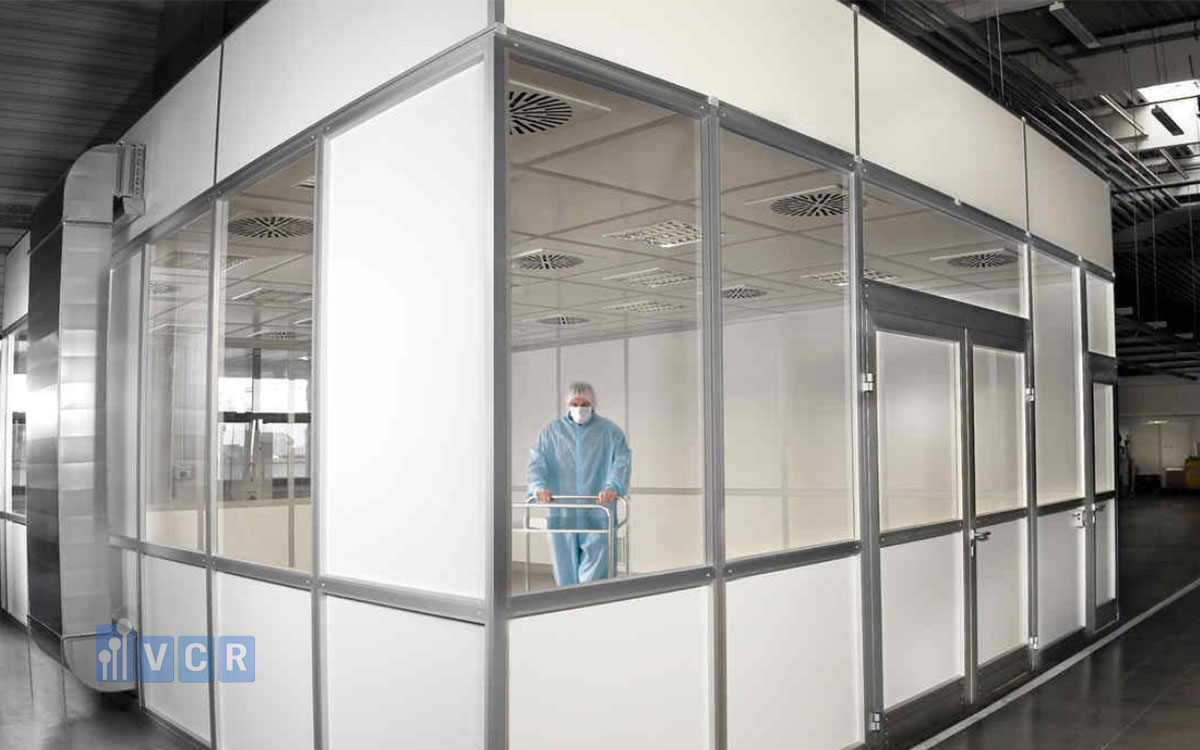
Curtain door or rigid door with interlock
-
For a semi-sealed type Clean Booth:
-
Use antistatic PVC curtain which prevents dust from the outside while still allowing easy operations.
-
-
For stricter control requirements:
-
Use rigid panel doors with interlocked system that prevents both doors being opened simultaneously.
-
This helps maintain positive pressure and reduce leakage of clean air when entering/exiting.
-
-
The door should have an auto-close mechanism or alarm if left open too long.
Read more: Mini Clean Booth: Economical solution for laboratories
7. Supporting equipment and accessories
To operate effectively and meet full GMP standards, the Clean Booth must be equipped with supporting equipment and accessories. These items must be easy to clean, non-particulate generating and must not interfere with the clean airflow inside the workspace.
Stainless steel workbench, clean-room chair
-
Stainless steel 304 workbench:
-
Flat, smooth surface, no gaps.
-
Adjustable height legs, no wobble.
-
You may choose a perforated tabletop to avoid interfering with laminar airflow from FFU.
-
-
Clean-room chair:
-
Made of stainless steel or antistatic plastic (ESD).
-
With antistatic casters or fixed legs depending on usage.
-
Designed without fabric cushions to avoid dust accumulation.
-
Stainless steel shelving for materials
-
Used for storing materials, packaging, tools temporarily.
-
Made of stainless steel 304, mesh or perforated design to avoid interfering with airflow.
-
Surface should be easy to clean, legs have anti-slip base and allow floor underneath to be cleaned.
-
Shelves should be located away from walls or doors, and should not affect the main working zone.
Pass box (if used for material transfer)
-
Used to transfer materials or raw ingredients into the Clean Booth without affecting cleanliness class.
-
Two types:
-
Static pass box: for materials that don’t generate dust
-
Dynamic pass box (with blower): for materials prone to contamination
-
-
Equipped with interlocked dual doors, only one door may open at a time.
-
Material: stainless steel 304, toughened glass or antistatic plastic panel.
Read more: Provider of Clean Booths Compliant with ISO 22716 for Cosmetic Factories
8. Qualification and handover documentation
After installation is completed, the Clean Booth must be inspected and handed over with full technical documentation, test certificates and an operational handbook according to GMP standards. This is a crucial part that helps enterprises pass regulatory audits and ensures the equipment is operated correctly.
HEPA filter test certificate
-
Each HEPA filter must have a factory test certificate (Factory Test Certificate).
-
The certificate must include:
-
Batch number or serial number
-
Measured filtration efficiency (≥ 99.995% for H14)
-
Initial pressure drop and dimensions
-
-
During handover, on-site retesting can be performed using leak test (DOP test) according to ISO 14644-3 or IEST standard.
As-built drawing
-
Provide detailed as-built drawing, including:
-
Actual dimensions after installation
-
Locations of electrical devices, FFU, lamps, outlets, sensors
-
Air-flow direction and pressure-difference locations, if any
-
-
The drawing serves as the basis for maintenance, upgrades and future qualification.
SOPs for cleaning & operation of the Clean Booth
-
SOP (Standard Operating Procedure) is mandatory under GMP. Must provide complete procedures:
-
SOP for operating the Clean Booth: start/stop system, periodic checks, troubleshooting
-
SOP for cleaning the equipment: surface cleaning schedules, filter replacement, cleaning intervals
-
SOP for pressure & airflow verification: frequency, measurement tools, acceptance criteria
-
-
You may request the supplier to provide direct training for the operation team.
Read more: Latest price list of Clean Booth used in electronics factory
Frequently Asked Questions (FAQ)
Does the Clean Booth require qualification when installed in a pharmaceutical plant?
Yes. According to GMP regulations, any equipment that affects the production environment must be qualified with three steps: IQ (Installation Qualification), OQ (Operational Qualification) and, if necessary, PQ (Performance Qualification). The Clean Booth must demonstrate its ability to maintain the designed cleanliness class and meet contamination-control requirements.
Can the Clean Booth replace a full clean-room?
Not entirely. The Clean Booth is suitable for individual, short-term or semi-static working areas, such as sampling, packaging or small-scale blending. However, for full production lines with stringent environmental-control requirements (e.g., aseptic injectable manufacturing), a fully enclosed clean-room cannot be replaced by a Clean Booth.
How often does the HEPA filter in the Clean Booth need to be replaced?
Typically, the HEPA filter should be replaced every 6-12 months depending on:
-
Actual usage hours per day
-
Surrounding environment (dust, humidity)
-
Quality of the pre-filter protecting it
However, do not rely solely on time. You must periodically check the differential pressure across the HEPA filter (weekly or monthly). If the differential pressure exceeds the recommended limit, you should replace the filter early to ensure filtration efficiency.
VCR specialises in designing, manufacturing and installing Clean Booths tailored to the pharmaceutical sector. We support:
-
Site survey and solution consultation for each production process
-
Provision of drawings, SOPs, HEPA testing and operational training
-
IQ/OQ qualification — helping plants pass GMP audits easily
Contact VCR today for detailed consultation and rapid quotation!
Hotline: 090.123.9008
Email: [email protected]
Website: https://cleanbooth.vn/
Dat VCR