
Clean Booth is a modular cleanroom system that controls dust, static, and maintains ultra-clean environments. With a 304 stainless steel frame, HEPA filters, and FFU fans, it meets ISO 14644 standards for safe, efficient production.
- What is a Clean Booth? Why do electronics factories need it?
- Criteria for choosing an ISO-compliant Clean Booth for electronics factories
- Benefits of using a supplier that meets ISO standards
- VCR – A trusted supplier of Clean Booths for electronics factories
- Implementation process of Clean Booths at VCR
- Frequently Asked Questions (FAQ)
What is a Clean Booth? Why do electronics factories need it?
What is a Clean Booth?
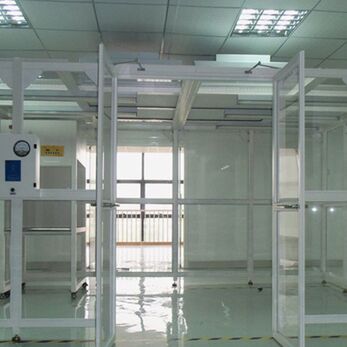
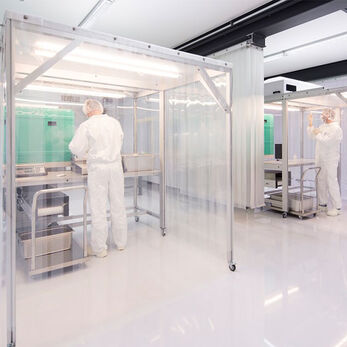
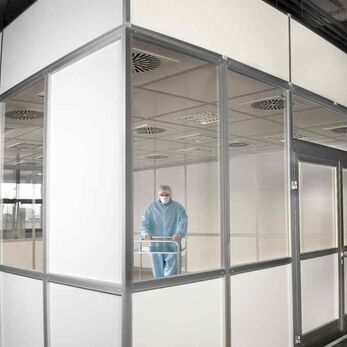
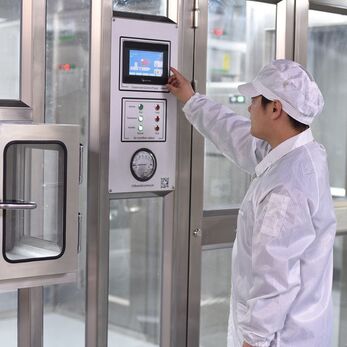
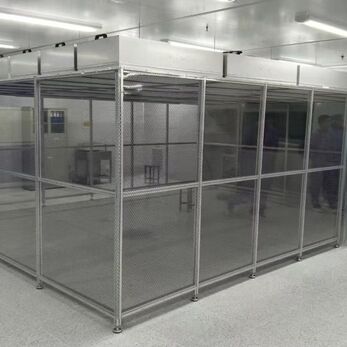
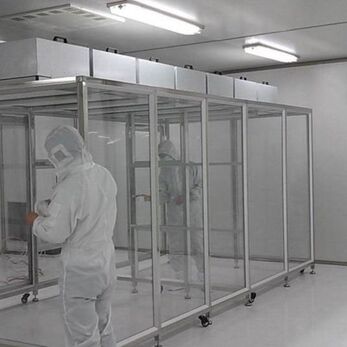
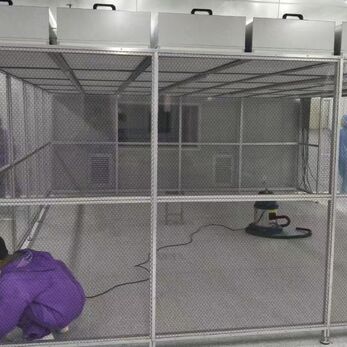
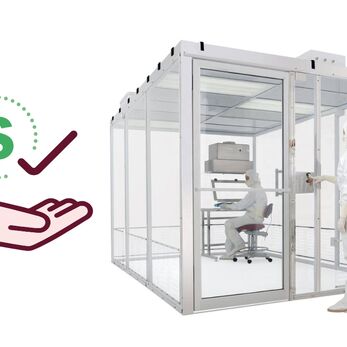
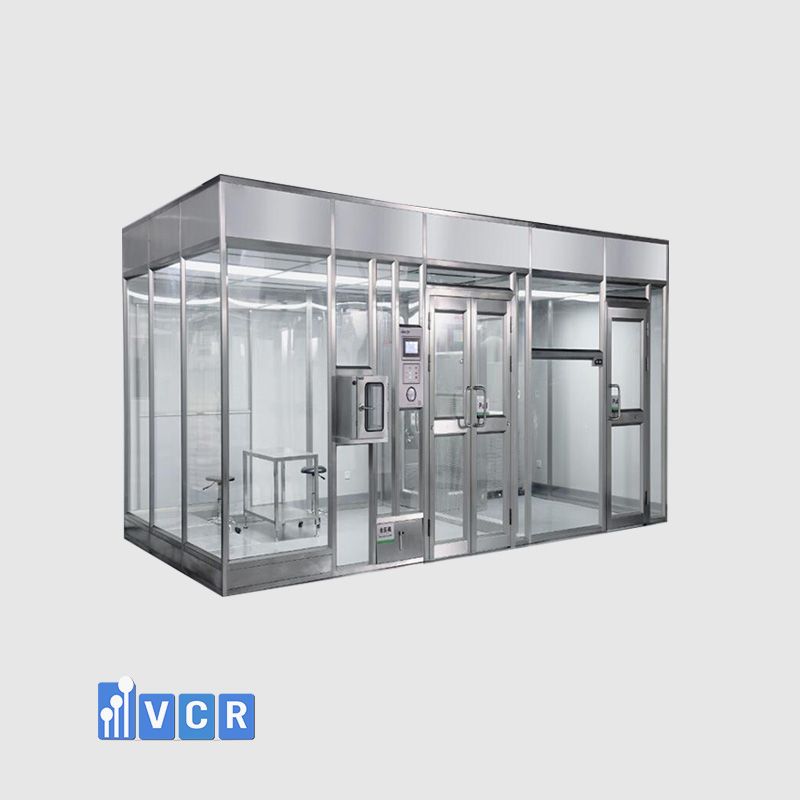
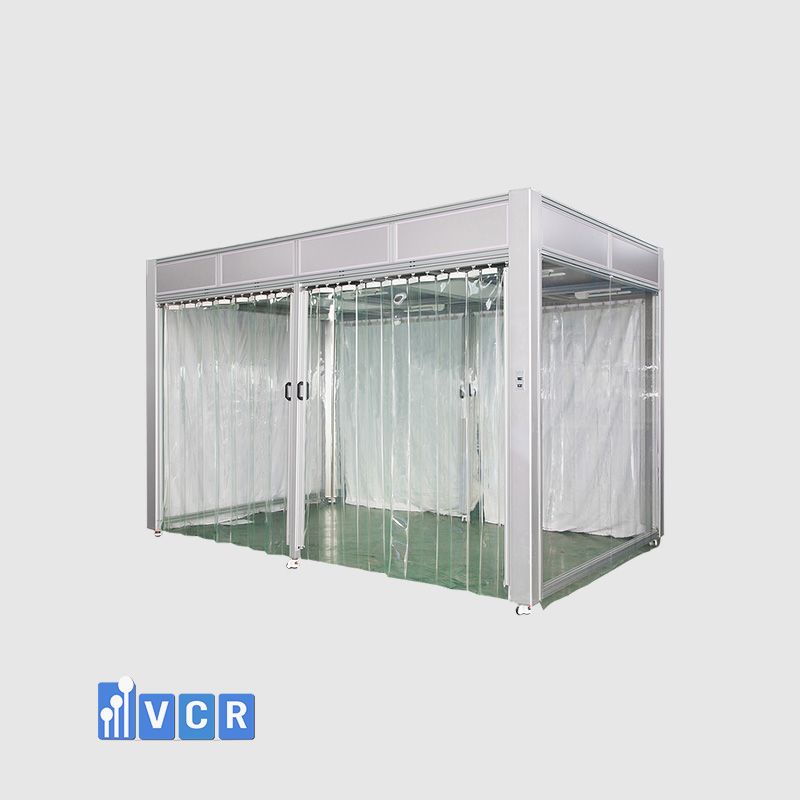
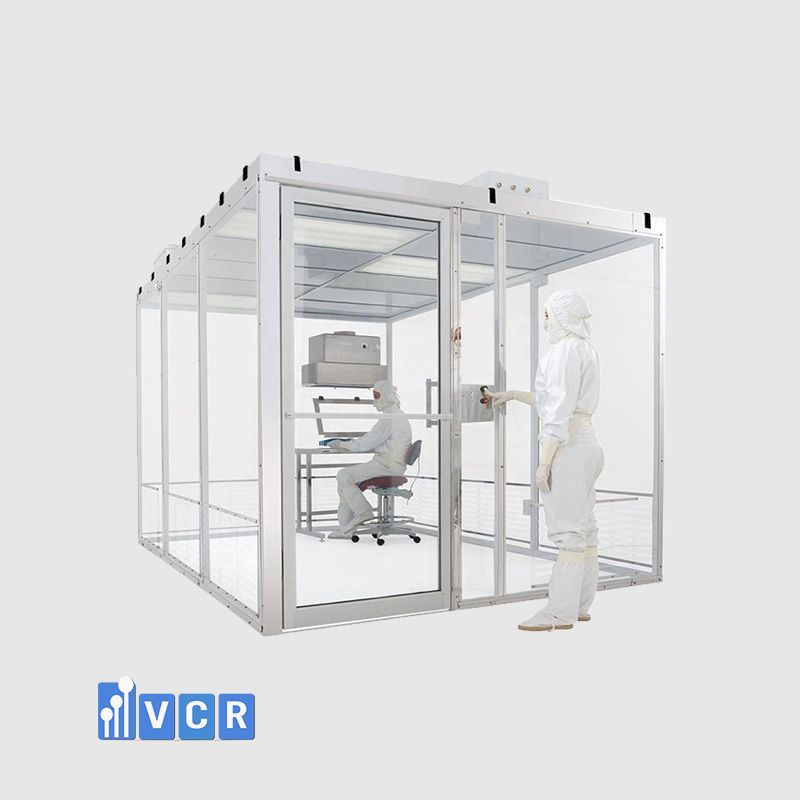
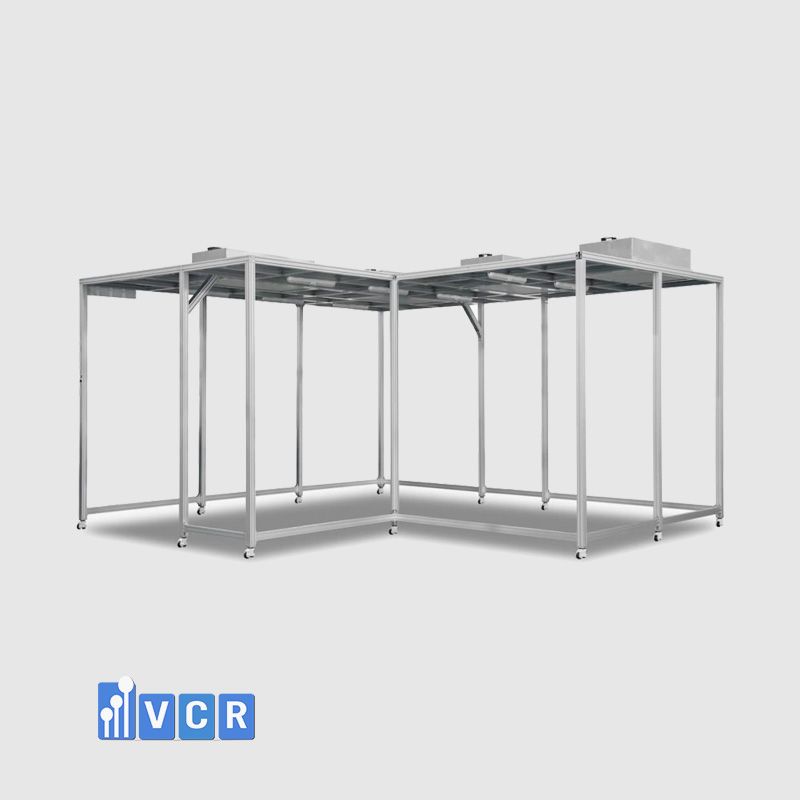
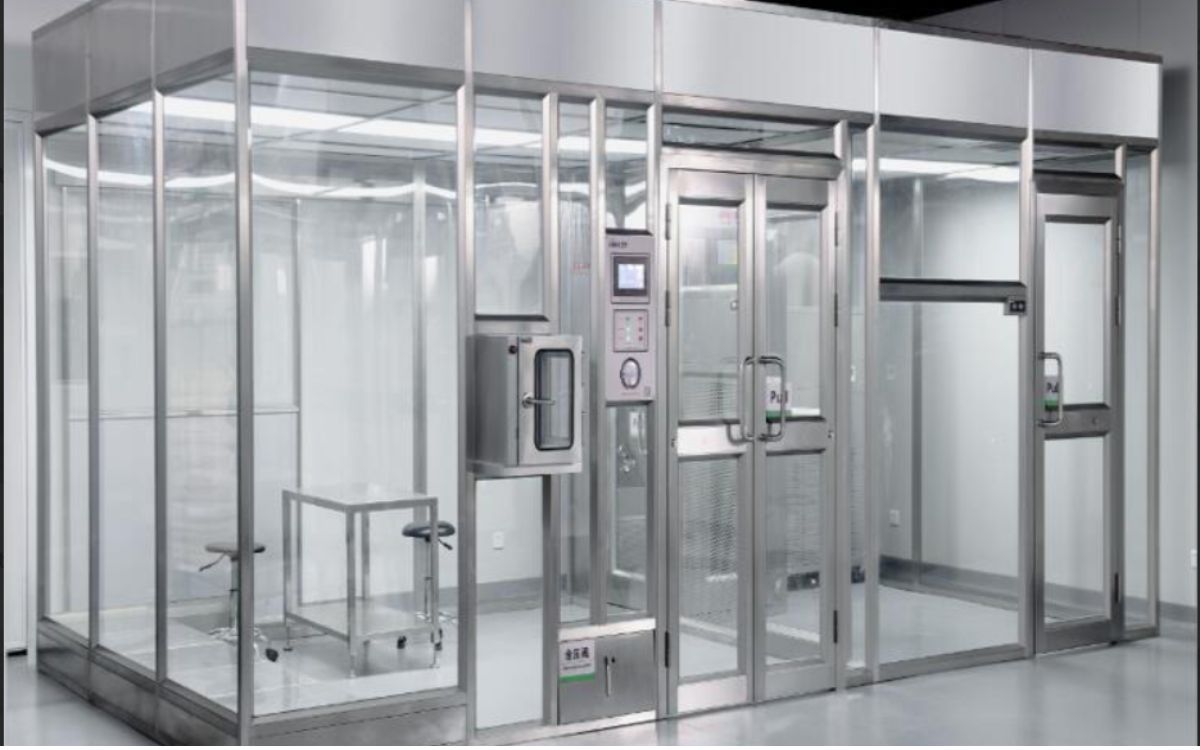
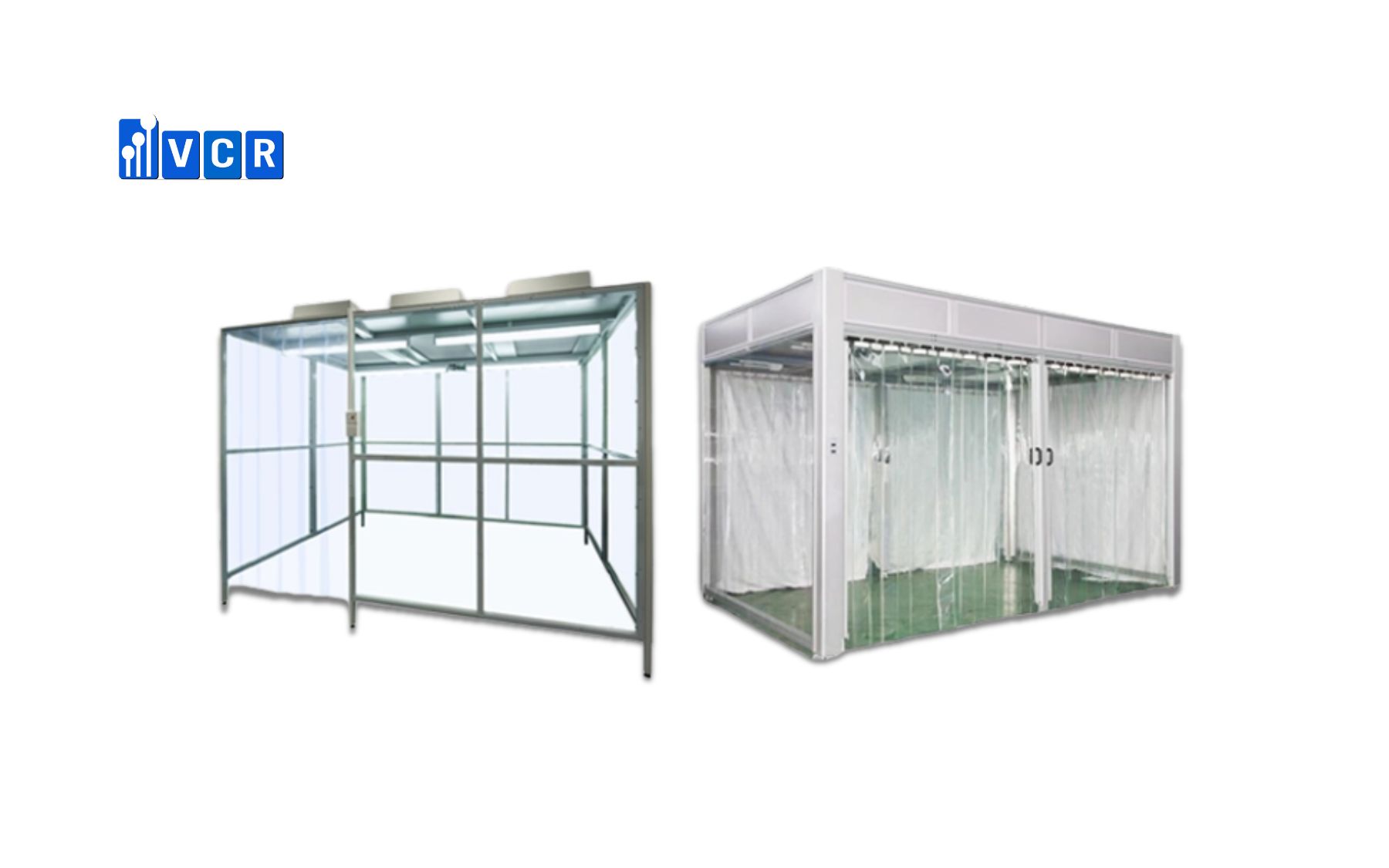
A Clean Booth (also called a modular clean room) is a flexible cleanroom solution assembled from independent modules. It’s commonly used in areas needing controlled cleanliness without constructing a full permanent cleanroom.
The components of a Clean Booth include:
-
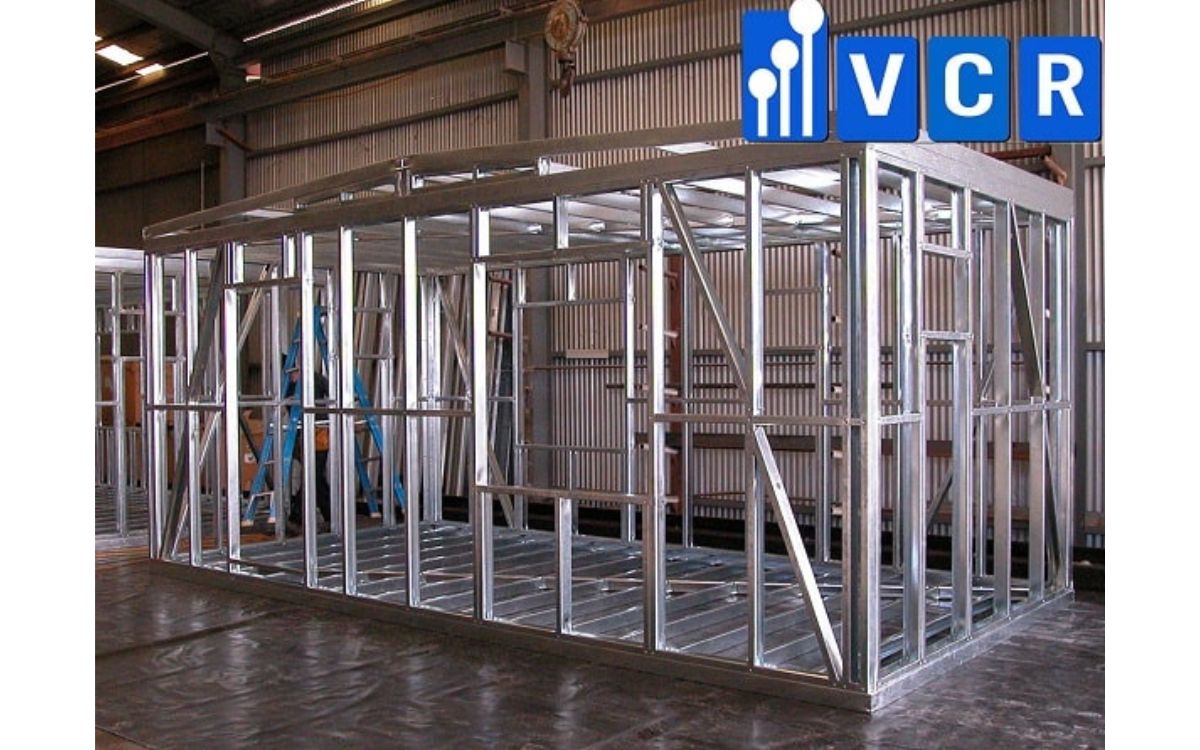
A sturdy aluminum profile or 304 stainless steel frame
-
Transparent PVC plastic film or anti-static fabric for partitions
-
HEPA/ULPA filters to remove up to 99.99% of particles ≥ 0.3 µm
-
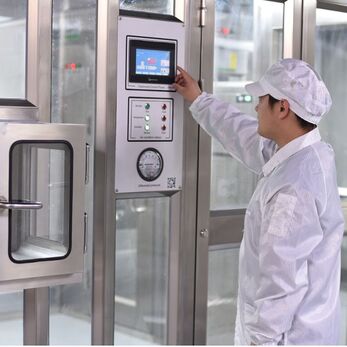
FFU (Fan Filter Units) to create unidirectional airflow (laminar flow), maintain positive pressure, and control cleanliness levels
Clean Booths are widely used in industries requiring strict particle control, such as electronics, semiconductors, healthcare, and pharmaceuticals.
Why do electronics factories need Clean Booths?
The electronics industry demands ultra-clean and stable manufacturing environments, especially when working with:
-
Semiconductor components
-
Integrated circuits (ICs)
-
Printed Circuit Boards (PCBs)
-
Touchscreens, sensors, etc.
Clean Booths help control several key factors:
-
Fine dust control: Even a particle ≥ 5 µm can damage microstructures or cause defects
-
Static electricity reduction (ESD): Prevents electrostatic discharge that can destroy sensitive components
-
Stable, clean airflow: Reduces cross-contamination during assembly
-
Flexibility and reusability: Suited for production lines that change over time
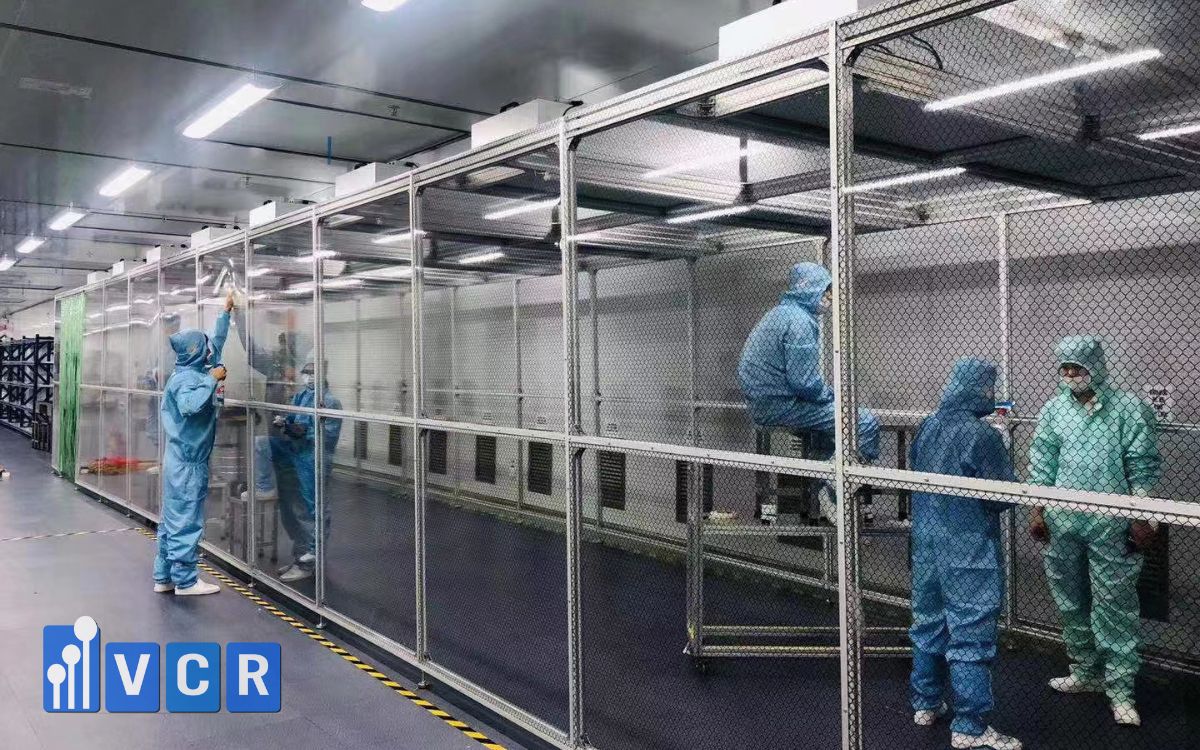
Using Clean Booths boosts production efficiency, reduces defect rates, and meets international standards such as ISO 14644, ESD, and GMP in modern electronics manufacturing.
Read more: Latest price list of Clean Booth used in electronics factory
Criteria for choosing an ISO-compliant Clean Booth for electronics factories
To ensure production effectiveness and meet international testing requirements, electronics factories should select Clean Booths that comply with ISO 14644. Important technical criteria include:
| Criterion | Requirement |
|---|---|
| Cleanliness class | ISO Class 5 to ISO Class 8, depending on production area (IC, SMT, inspection, etc.) |
| Airflow speed | 0.3 – 0.5 m/s to maintain unidirectional flow and prevent cross contamination |
| Filter efficiency | ≥ 99.99% for HEPA/ULPA filters, removing particles ≥ 0.3 µm |
| Construction materials | Aluminum/steel frame, PVC or anti-static fabric partitions, easy to clean |
| Expandability | Modular design for easy disassembly, relocation, or expansion |
Details on each:
-
Cleanliness class: Different areas require different ISO classes. For example, ISO 5 for high-end chip fabrication or semiconductors; ISO 7–8 for board assembly and packaging.
-
Stable airflow: Clean Booths should maintain stable airflow between 0.3 – 0.5 m/s to create positive pressure and prevent ingress of contamination.
-
Filter performance: HEPA/ULPA filters must be periodically tested to ensure effective removal of microscopic particles.
-
Static protection (ESD): Walls, floors, and grounding systems must meet ESD standards to protect electronic devices from discharge.
-
Modular flexibility: The Clean Booth should be modular (assembled from parts) for easy reconfiguration and future expansion.
Read more: Clean Booth or Fixed Clean Room: Which Solution is More Flexible?
Benefits of using a supplier that meets ISO standards
Choosing a supplier that delivers ISO-compliant Clean Booths provides electronics companies with not only high quality cleanrooms but also optimized operational and cost efficiency. Specific benefits include:
Guarantee of ISO 14644-1 compliance:
- Design and construction fully align with cleanliness class, airflow, pressure differential, and particle count requirements
- Meet international audit and certification demands to ensure product quality
Cost-optimized design and installation:
- Advice on proper configuration for each production area (SMT, packaging, inspection, etc.)
- Avoid over-specification or under-investment
Shorter installation time:
- Professional teams ensure fast implementation with minimal disruption
- Use of prefabricated modular components for on-site installation
Support in validation, calibration, and accreditation:
- Full test procedures for ISO 14644-1, ESD, airflow, pressure differential
- Operation manuals and periodic testing schedules
- Provide documentation such as IQ (Installation Qualification), OQ (Operational Qualification), PQ (Performance Qualification)
These documents are especially important for companies aiming for export or international partners’ quality assessments.
Read more: Provider of HACCP‑Compliant Clean Booths for Food Processing Plants
VCR – A trusted supplier of Clean Booths for electronics factories
With over a decade of experience specializing in industrial cleanrooms, VCR is proud to be a pioneering supplier of ISO-standard Clean Booths for the leading electronics factories in Vietnam.
-
Over 10 years of cleanroom construction experience in electronics, semiconductors, LCD, SMT, etc.
-
Deep expertise in ISO 14644, GMP, and strict industry regulations
-
A team of engineers familiar with various production lines (SMT, AOI inspection, packaging, etc.)
-
Provide supervision, risk assessment of ESD, and cleanroom operation optimization
VCR offers a diverse Clean Booth product line: mini, semi-open, and custom designs. Modular in nature, they save space and cost while enabling integration of ESD systems, LED displays, dust sensors, etc. They meet all required certifications: ISO, ESD, GMP.
They also provide ground systems and ESD control per ANSI/ESD S20.20, and rigorous IQ/OQ/PQ procedures to satisfy international audits.
Read more: GMP Standard Clean Booth Supplier in Vietnam
Implementation process of Clean Booths at VCR
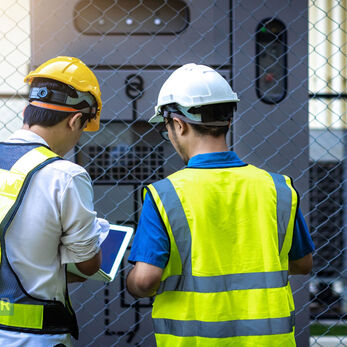
For each Clean Booth project in electronics factories, VCR follows a standardized process from survey to handover. This ensures quality, compliance with ISO 14644, and optimal real-world performance.
Factory survey & requirements gathering
- Engineers visit site to measure space and environment
- Analyze production zones, determine required cleanliness
- Evaluate static, dust, and airflow risks
Preliminary design & technical proposal
- Create initial layouts and technical options
- Suggest materials, filter configuration, FFU placement, lighting
- Optimize for energy use and future expansion
Detailed design & costing
- Produce 2D/3D technical drawings and electrical/airflow schematics
- Provide detailed BOM (materials, labor, time)
- Adjust per client’s technical requirements
Fabrication, installation & performance testing
- Manufacture modules in factory, deliver to site
- Install on site per approved plans
- Test system operation: airflow, cleanliness, pressure differential, ESD
Handover & training
- Deliver IQ / OQ / PQ documentation and ISO 14644-1 compliance reports
- Train factory’s operation team: filter testing, troubleshooting basics
- Provide periodic maintenance and expansion consulting
Read more: Clean Booth inspection checklist before putting into production
Frequently Asked Questions (FAQ)
Q: Can a Clean Booth achieve ISO Class 5?
A: Yes. A properly designed Clean Booth using high-performance HEPA/ULPA filters, integrated FFU laminar airflow, and stable positive pressure can achieve ISO Class 5.
Q: How long does it take to install a Clean Booth?
A: Typically 7–15 days, depending on:
-
Room area
-
Required ISO cleanliness level
-
Factory site conditions
-
Complexity of electrical, HVAC, and ESD systems
Q: Does a Clean Booth require periodic validation?
A: Yes. It’s mandatory to regularly validate the system to maintain performance and ISO certification. Typical validation items include:
-
Particle count in air
-
Airflow speed and direction
-
Pressure differentials
-
HEPA filter leakage tests
Recommended validation interval: every 6–12 months.
Q: Can a Clean Booth be reused?
A: Yes. Thanks to its modular design, a Clean Booth can be disassembled, moved to a new location, and reconfigured to meet new production needs, saving investment when factories relocate or expand.
If you're:
- Planning to build a small production area or testing lab
- Needing a clean zone quickly, with flexibility and cost efficiency
- Looking for free expert consultation from cleanroom specialists
Let VCR assist you!
Contact:
Hotline: 090.123.9008
Email: [email protected]
Website: https://cleanbooth.vn/
Dat VCR