
Clean Booth is flexible, easy to assemble and expand, while fixed cleanroom provides maximum environmental control according to ISO and GMP standards. This article helps you compare “Clean Booth or Fixed Cleanroom: Which Solution is More Flexible?” to choose the right one for your production needs.
- I. What is a Clean Booth? What is a Fixed Cleanroom?
- 2. When Should You Use a Clean Booth Instead of a Fixed Cleanroom?
- 3. Can Clean Booths Meet ISO/GMP Standards?
- 4. Comparison by Usage Scenarios
- 5. Practical Implementation Tips
- 6. Frequently Asked Questions
- 7. Still Deciding Between a Clean Booth or Fixed Cleanroom?
I. What is a Clean Booth? What is a Fixed Cleanroom?
Clean Booth – A Flexible Cleanroom Solution
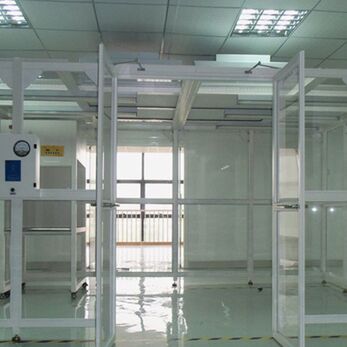
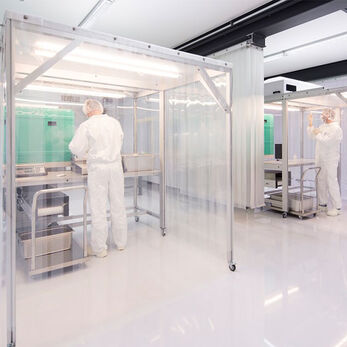
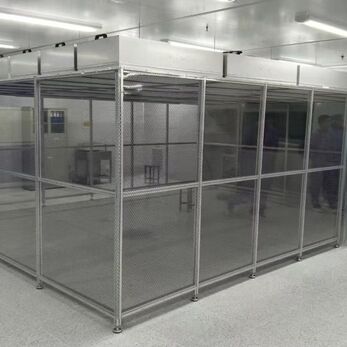
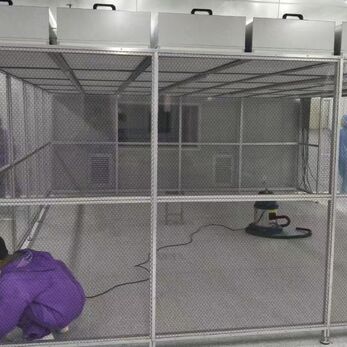
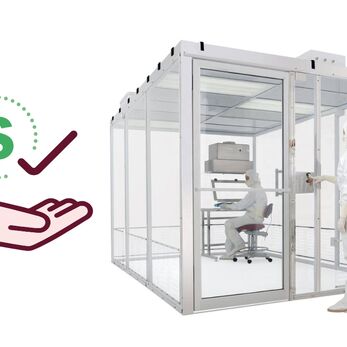
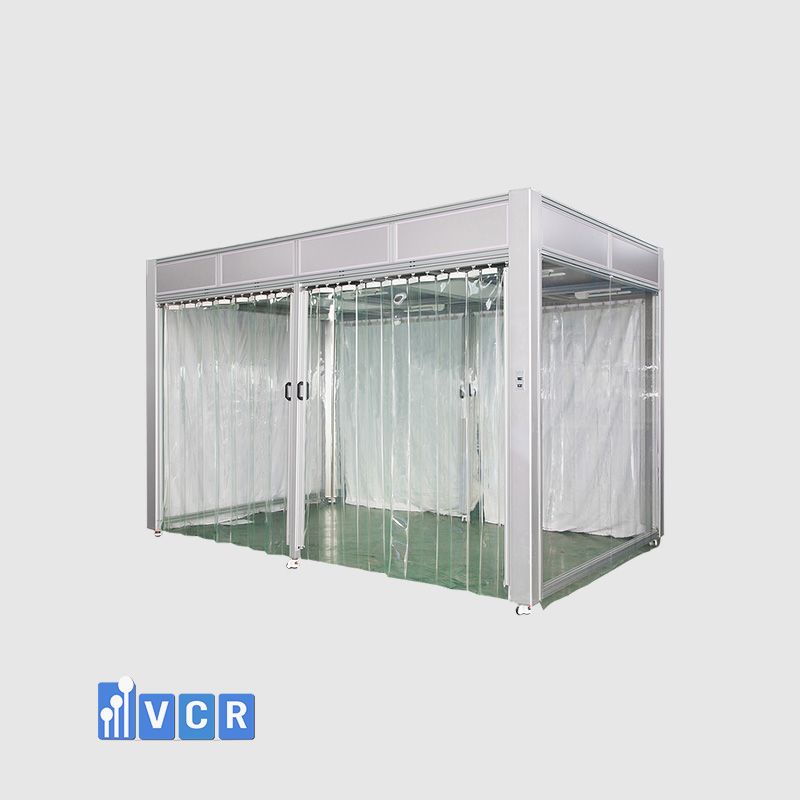
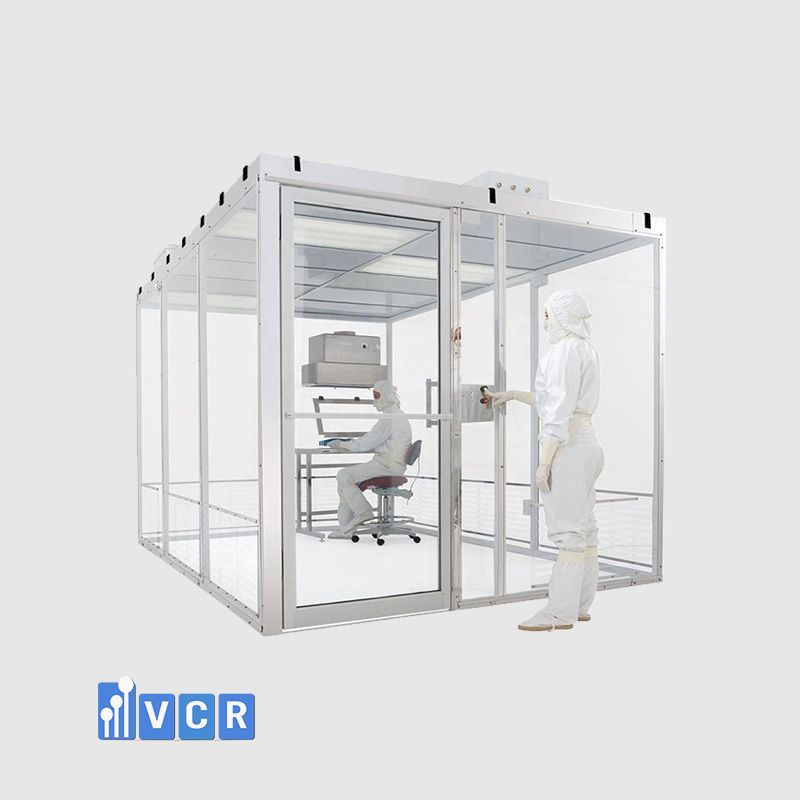
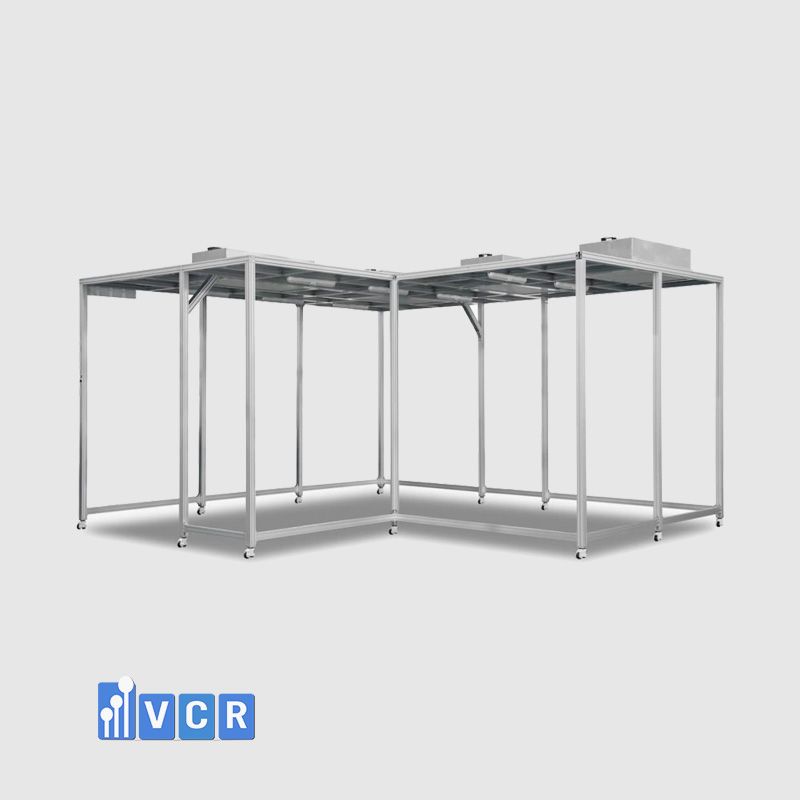
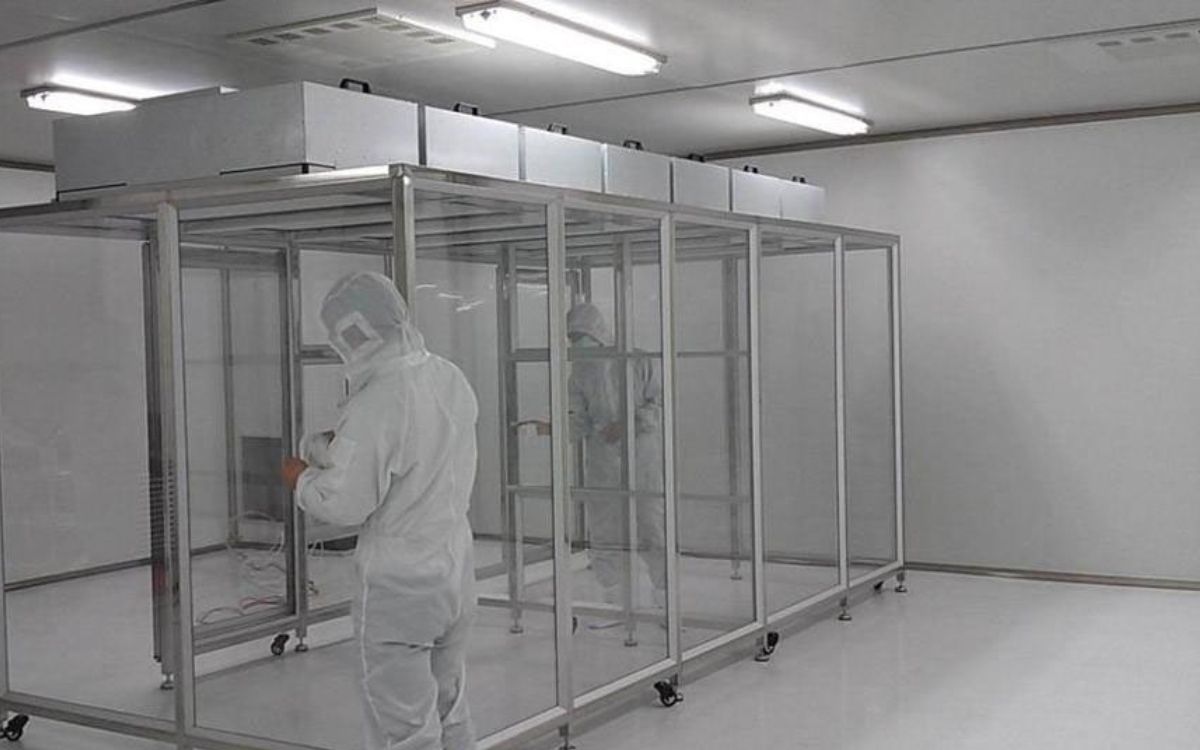
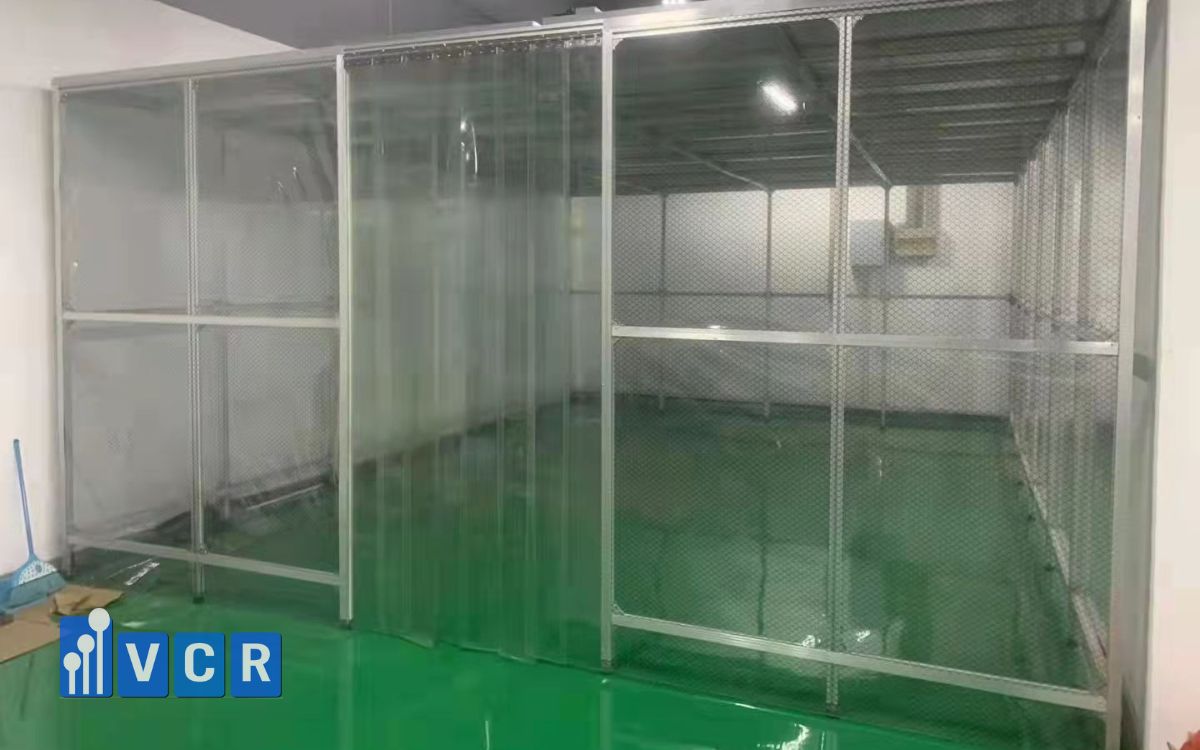
A Clean Booth (also known as a mobile cleanroom) is a self-contained clean environment constructed using a metal frame (stainless steel or aluminum profile), anti-static PVC curtains, and HEPA/ULPA filtration units installed on the ceiling.
Its structure is simple, easy to install, and can be dismantled or expanded as needed. Clean air is pushed downward in a vertical laminar flow, effectively removing particles from the main working zone.
Fixed Cleanroom – A Standard Model for GMP Facilities
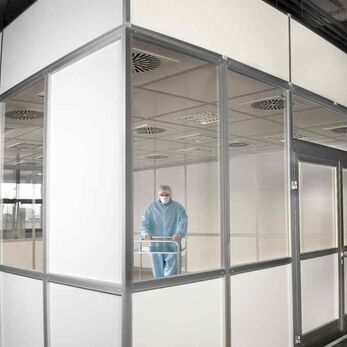
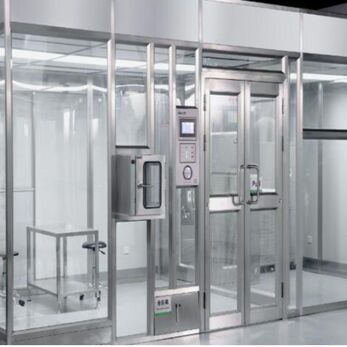
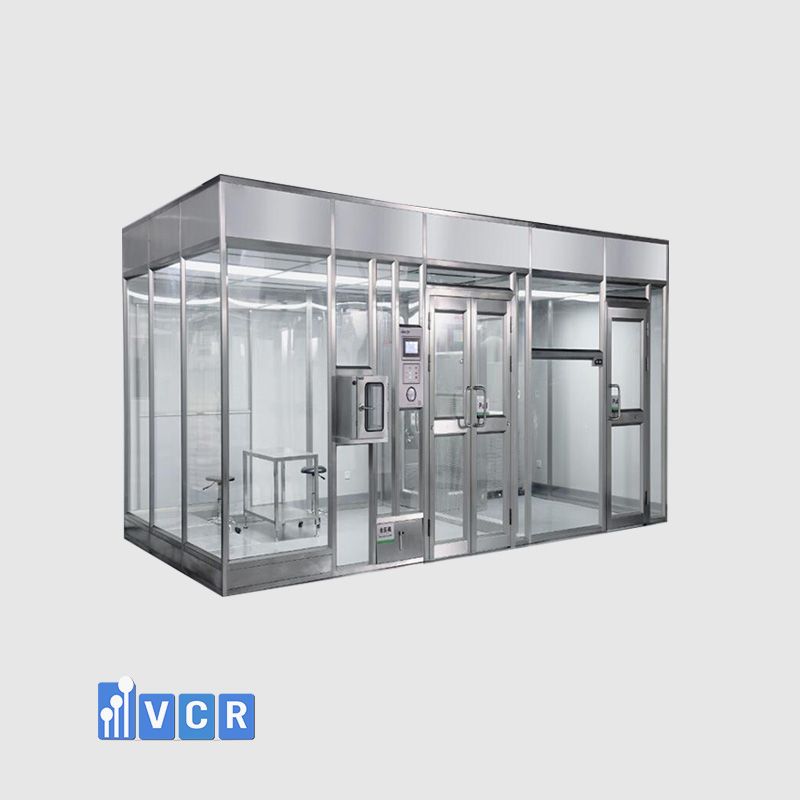
A Fixed Cleanroom is built into the structural framework of a factory, using insulated panel walls, structured aluminum ceilings, specialized cleanroom doors, and a centralized HVAC system for pressure, temperature, and humidity control.
This is the most robust solution for contamination control, commonly used in pharmaceutical, cosmetics, and electronic component manufacturing.
Thanks to its ability to regulate environmental conditions with high precision, fixed cleanrooms can meet strict standards such as ISO 14644-1 Class 5 or EU-GMP.
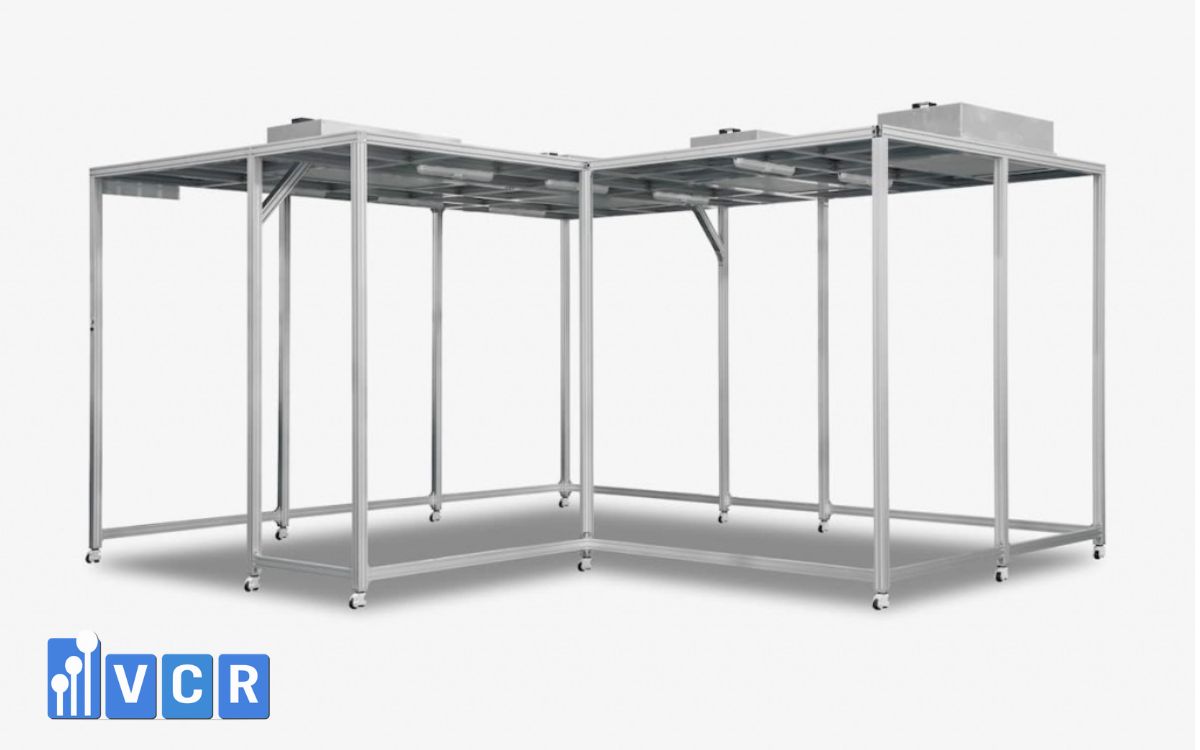
Comparison Between Clean Booth and Fixed Cleanroom
|
Criteria |
Clean Booth |
Fixed Cleanroom |
|
Mobility |
High |
Low (integrated with the building structure) |
|
Investment Cost |
Low – Medium |
High |
|
Installation Time |
Fast (1–3 weeks) |
Long (several months) |
|
Expandability |
Easy to upgrade or dismantle |
Fixed, hard to modify |
|
Contamination Control |
Moderate (ISO 6 – ISO 8) |
High (ISO 5, GMP, Class 100) |
2. When Should You Use a Clean Booth Instead of a Fixed Cleanroom?
You don’t always need to invest in a full-scale fixed cleanroom system. In many scenarios, a Clean Booth is a more flexible and cost-effective option, especially when:
1. You’re in a pilot or testing phase
During product development or process trials, building a fixed cleanroom may be wasteful if modifications are needed later. Clean Booths allow you to:
- Quickly set up a clean area (ISO 6–8)
- Easily adjust the layout if your process changes
- Avoid large investments during early stages
2. Equipment needs to be moved between areas
Some factories:
- Share one clean space for multiple production lines
- Need flexible placement of clean zones
→ Clean Booths can be assembled, disassembled, and relocated without altering the facility.
3. Budget constraints or limited investment readiness
Constructing a fixed GMP/ISO-compliant cleanroom can be very expensive (hundreds of millions to billions VND). In contrast:
- Clean Booths cost only 20–40% of fixed systems
- Can be pre-fabricated or customized
- Easy to maintain, with low operational costs
4. Facility is not suitable for modification
Some locations:
- Have low ceilings, unsuitable for sealed HVAC systems
- Are fully built and cannot be altered
- Are rented or under structural constraints
→ Clean Booths are ideal for these cases, ensuring a clean environment without disrupting the building layout.
3. Can Clean Booths Meet ISO/GMP Standards?
Can a Clean Booth be ISO-compliant?
Yes, if properly designed, a Clean Booth can achieve ISO 14644-1 cleanroom classes from ISO 8 to ISO 6, suitable for:
- Cosmetics filling and packaging (handmade)
- R&D testing in electronics
- Final product packaging in food manufacturing
- Testing zones in small-scale pharmaceutical production
However, for higher standards (e.g., ISO 5, Class 100, or GMP-compliant zones), Clean Booths are usually not ideal due to limitations in structural sealing, pressure control, and environmental regulation.
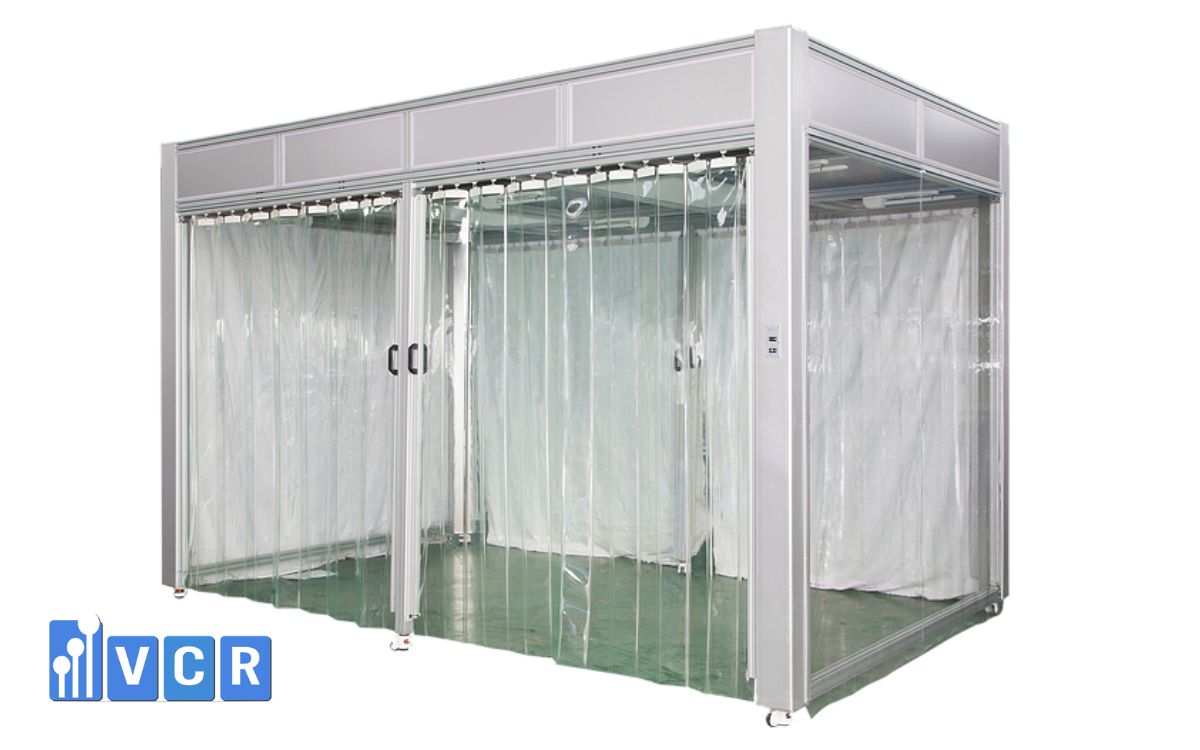
Key Technical Requirements for ISO/GMP Compliance
To ensure Clean Booths meet ISO/GMP requirements, consider:
1. HEPA/ULPA Air Filtration
- Use HEPA filters ≥ H13 or ULPA ≥ U15 as needed
- Integrated into ceiling-mounted FFU modules
- Maintain one-way airflow with uniform velocity (0.3 – 0.5 m/s)
2. Positive Pressure Control
- Maintain internal pressure ≥ 10–15 Pa higher than surrounding areas
- Prevent contamination from entering the clean zone
3. Cleanroom-Grade Construction Materials
- Stainless steel 304 or anodized aluminum frame
- Anti-static PVC curtains – easy to clean, dust-resistant
- Avoid porous or hard-to-clean materials
4. Particle Count Monitoring
- Regular measurement using particle counters
- Replace HEPA filters and verify airflow if ISO limits are exceeded
Which Industries Should Use Clean Booths?
Clean Booths are ideal for industries such as:
- Handmade Cosmetics: filling, packing, and testing areas
- Electronics R&D: circuit board inspection, anti-static testing
- Small-scale Pharmaceuticals: formula development, test packaging
- Packaged Foods: final product protection from dust during handling
4. Comparison by Usage Scenarios
Not every business requires a fixed cleanroom, and a Clean Booth may not always be sufficient. Choosing the right solution depends on your actual usage scenario. The table below helps you make quick and accurate decisions:
|
Use Case |
Recommended Solution |
Notes |
|
Cosmetic factory needs a flexible filling area |
Clean Booth |
Easy to assemble/disassemble, ideal for small-scale or handmade production |
|
Weighing room for pharmaceutical ingredients |
Fixed Cleanroom |
Requires strict control of pressure differential, fine particles, and cross-contamination |
|
Sample product testing area (electronics, food) |
Clean Booth |
Quick to set up, easily expandable, does not affect facility structure |
|
Large-scale production lines |
Fixed Cleanroom |
Ensures GMP or ISO compliance across the entire zone |
Recommendation: For small and medium-sized businesses, you can combine both models: use a Clean Booth for supporting zones and a fixed cleanroom for main production areas.
5. Practical Implementation Tips
Deploying a Clean Booth involves more than just installing a clean enclosure. To ensure efficient operation and alignment with your goals, consider the following technical factors:
1. Choosing Between Stainless Steel and Aluminum Frame
|
Frame Type |
Advantages |
Limitations |
|
Stainless Steel 304 |
- Durable, resistant to cleaning agents - Suitable for GMP environments |
- Higher cost - Heavier, harder to move |
|
Aluminum Profile |
- Lightweight, easy to assemble - Aesthetic and cost-effective |
- Less durable in humid/chemical environments |
Tip: Use stainless steel for filling or weighing rooms in pharmaceuticals. Use aluminum profiles for R&D or sample testing zones to optimize cost.
2. Single or Modular Clean Booth?
- Single-type (1 zone): Easy to install, ideal for individual tasks like packing, sample inspection, or small-batch weighing.
- Modular-type (multi-zone):
- Allows creating multiple zones: changing area – main area – buffer zone
- Easily expandable as needs grow
- Compatible with cleanroom accessories like filters, pass boxes, and lighting
Tip: If you plan to expand or use for multiple functions, choose modular Clean Booths to save long-term investment.
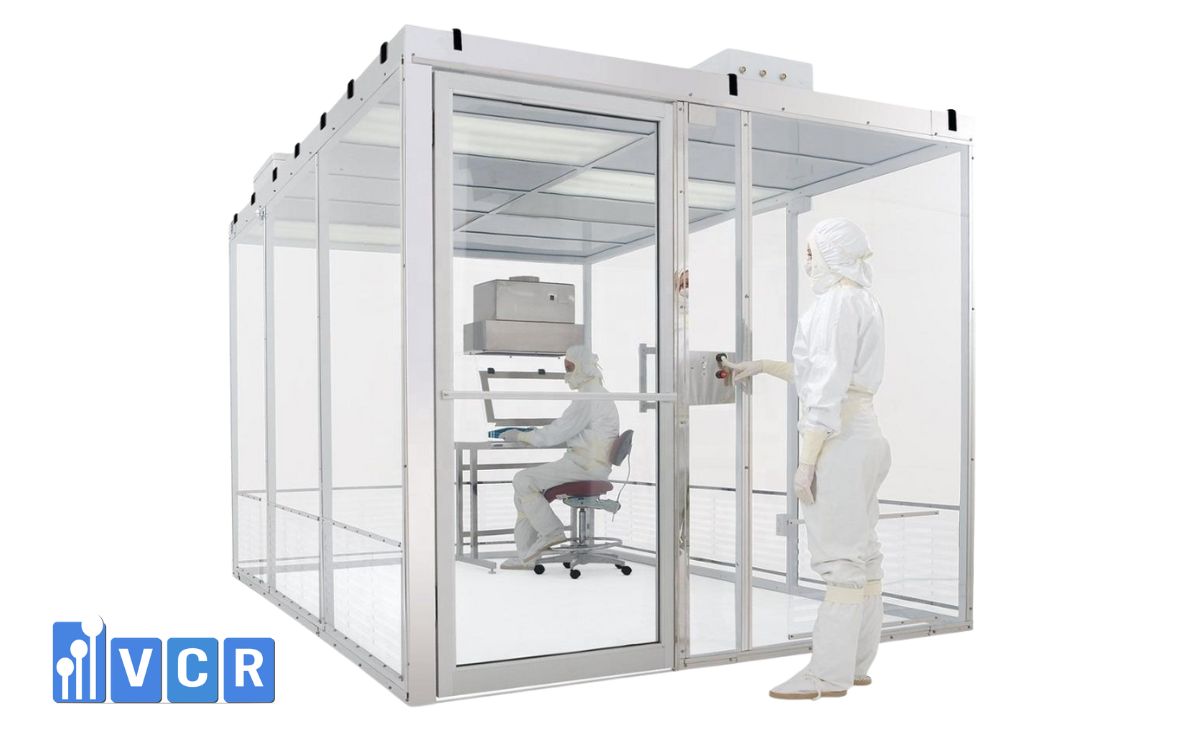
3. Add-On Cleanroom Equipment
To ensure your Clean Booth operates as an effective contamination control system, consider integrating:
- Mini Pass Box
→ Transfers materials between the Clean Booth and external areas without cross-contamination. - Single Air Shower
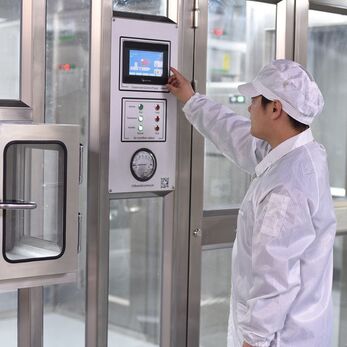
→ Provides a clean entry for personnel, removing dust and static before entering the clean zone. - Manual Interlock System
→ Ensures only one door can open at a time, maintaining internal pressure stability.
Tip: These devices can be installed as modules, requiring no central electrical system — ideal for mobile Clean Booth setups.
6. Frequently Asked Questions
1. Can a Clean Booth be used in the pharmaceutical industry?
Yes, but with caution: Clean Booths are suitable for non-critical GMP areas, such as:
- Product sample testing rooms
- R&D packaging zones
- Formula testing or quick inspections
→ For critical production areas with strict contamination control, a fixed cleanroom is recommended.
2. How long does it take to install a Clean Booth?
On average 7–10 days, depending on the size and complexity:
- Basic design with available materials: 5–7 days
- Custom design: 10–14 days
→ This quick setup is a major advantage for short-term or urgent production needs.
3. Is a Clean Booth easy to maintain?
Yes. Maintenance includes:
- Periodic HEPA filter cleaning (every 3–6 months)
- Wiping the frame and PVC curtains with neutral cleaning agents
- No need to shut down power or halt production during maintenance
→ No structural impact, and no specialized technicians required.
4. Can a Clean Booth be upgraded to a fixed cleanroom?
Not directly, since their structure and operational standards differ. However:
- You can reuse key components: FFU, LED panels, HEPA filters, pressure gauges...
- This saves cost if you plan to build a fixed cleanroom later.
7. Still Deciding Between a Clean Booth or Fixed Cleanroom?
Choosing the right solution from the beginning not only saves cost but also ensures your product meets ISO/GMP standards required by your industry.
If you're:
- Planning to build a small production area or testing lab
- Needing a clean zone quickly, with flexibility and cost efficiency
- Looking for free expert consultation from cleanroom specialists
Let VCR assist you!
[Book a FREE Clean Booth Consultation Now]
- 1:1 consultation tailored to your industry
- Preliminary design suggestions
- Quick quotation within 24 hours
Hotline: 090.123.9008
Email: [email protected]
Website: https://cleanbooth.vn/
Diep VCR