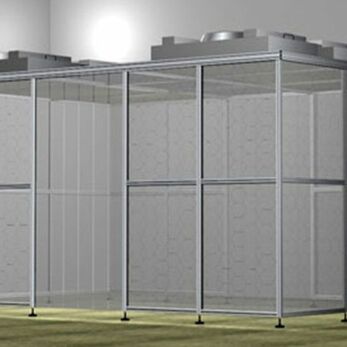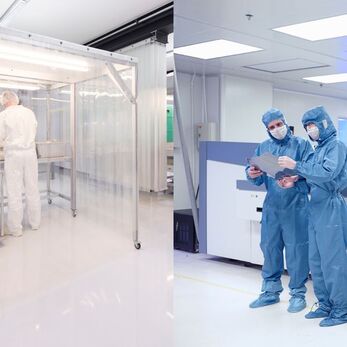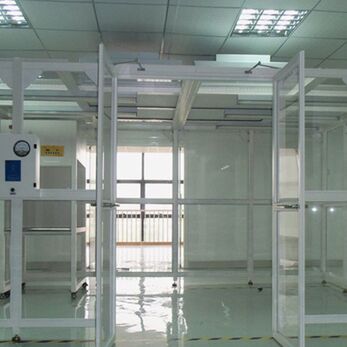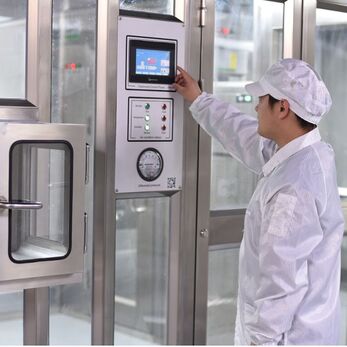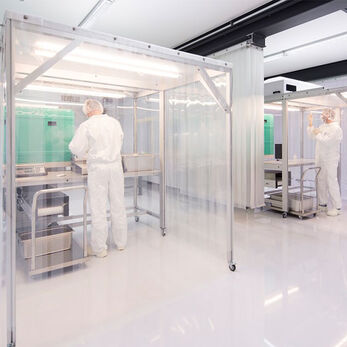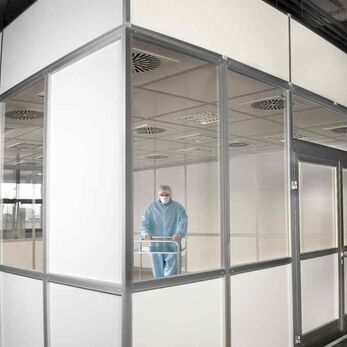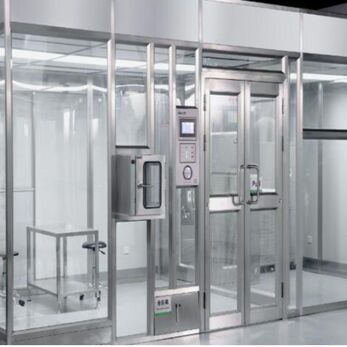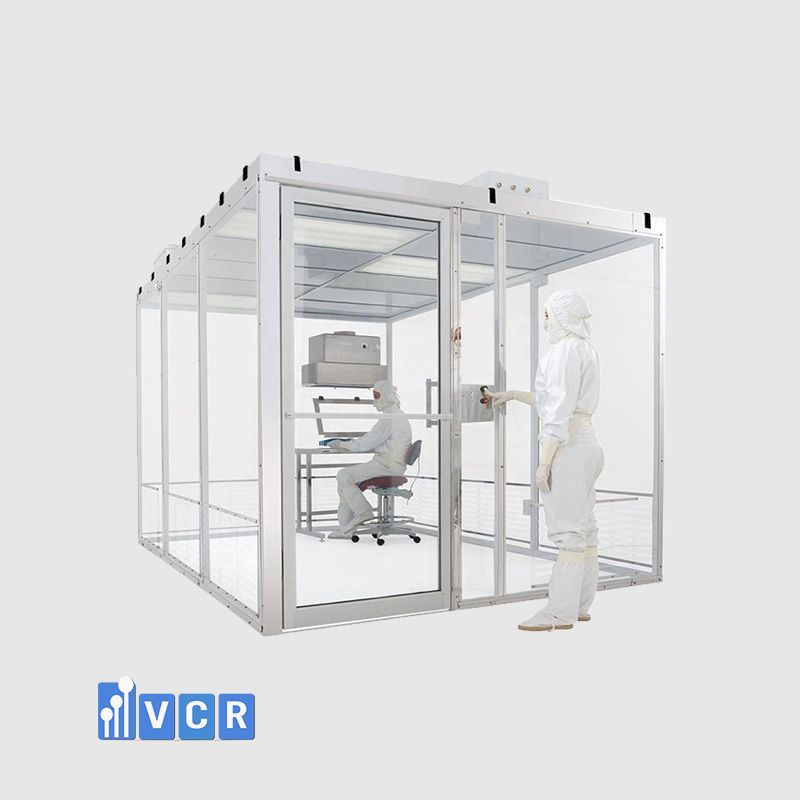

Clean Booth is a flexible, easy-to-install and cost-effective cleanroom solution, suitable for the pharmaceutical, electronics and cosmetic industries. However, when choosing Clean Booth, many businesses often wonder about the level of cleanliness, scalability, cost and practical application.
I. Introduction to Clean Booth and Why You Should Read This FAQ
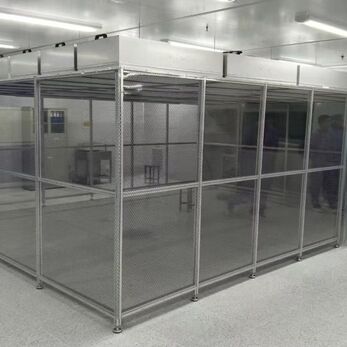
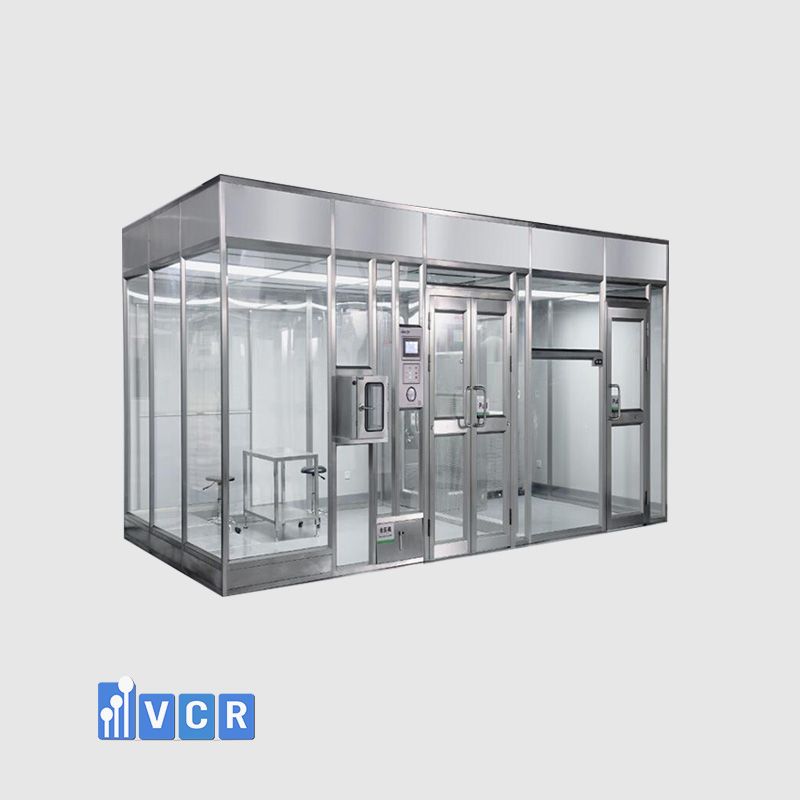
Among modern cleanroom solutions, the Clean Booth (also known as a mobile cleanroom) is increasingly favored due to its flexibility, easy installation, and cost-effectiveness. It is an independent clean zone constructed from aluminum or stainless steel frames, integrated with air filtration systems like HEPA filters and FFUs to meet ISO 14644 cleanroom standards. Clean Booths are especially suitable for applications requiring localized clean environments or fast-deployment projects in industries such as pharmaceuticals, electronics, cosmetics, and food processing.
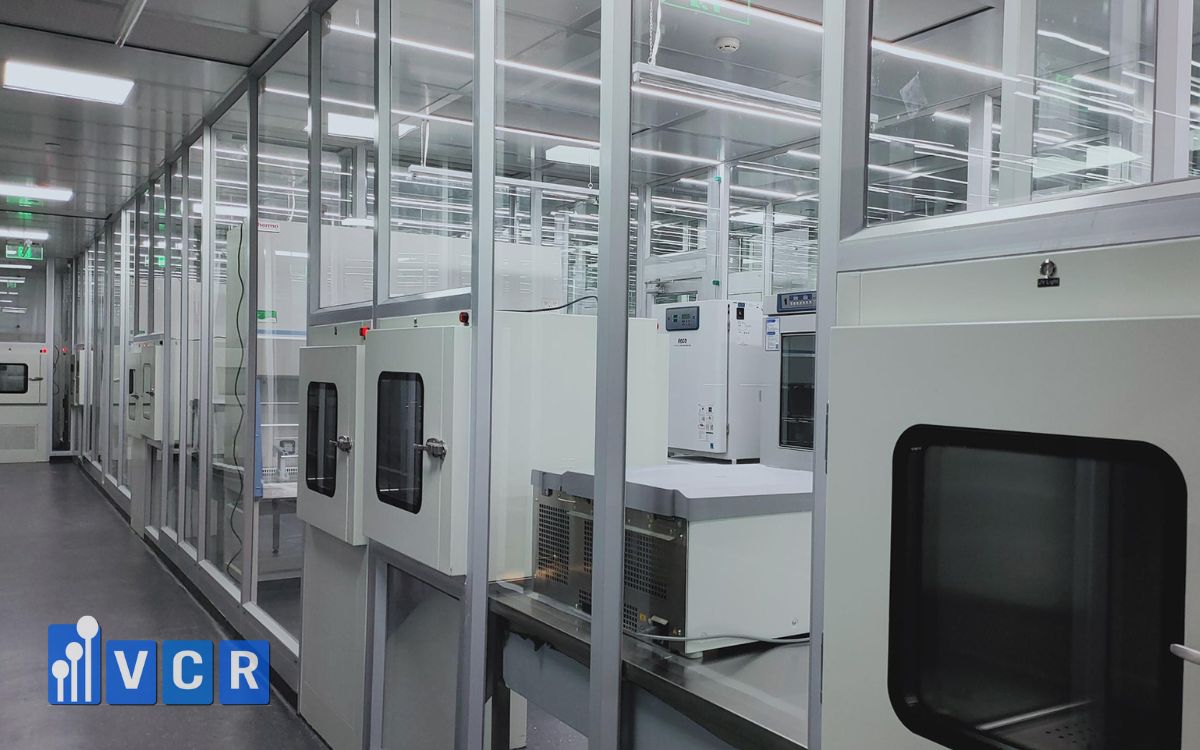
However, when researching and choosing a Clean Booth, many users-from engineers to procurement teams-face practical questions such as: “Does a Clean Booth meet ISO standards?”, “Can it be expanded?”, “How much does it cost?”, etc. This FAQ article is designed to address the most common questions about Clean Booths, helping you make informed decisions before investing or operating.
II. Key FAQs About Clean Booth
1. What is a Clean Booth? How is it different from a traditional cleanroom?
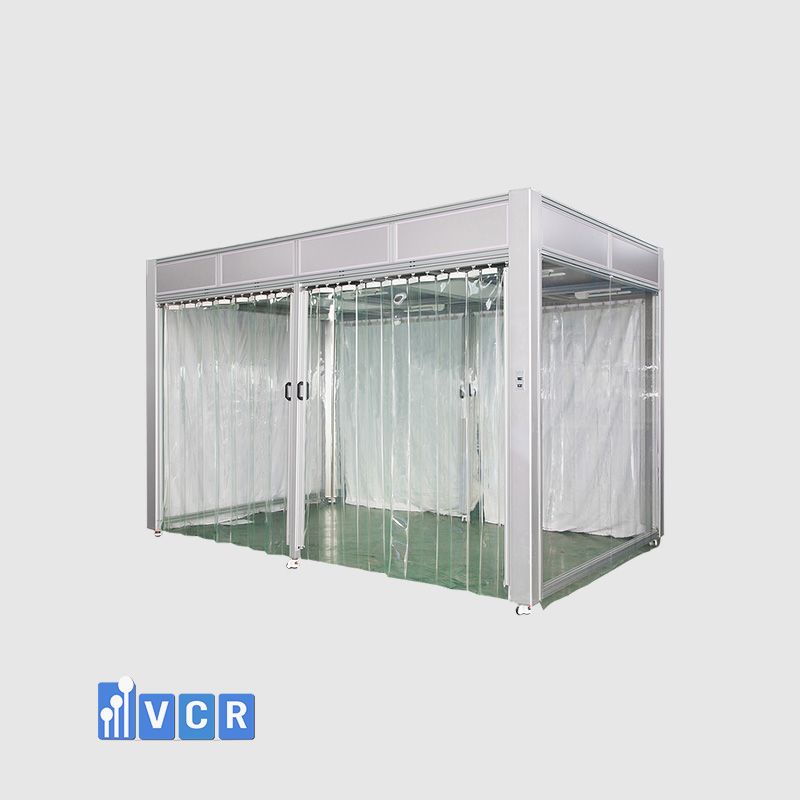
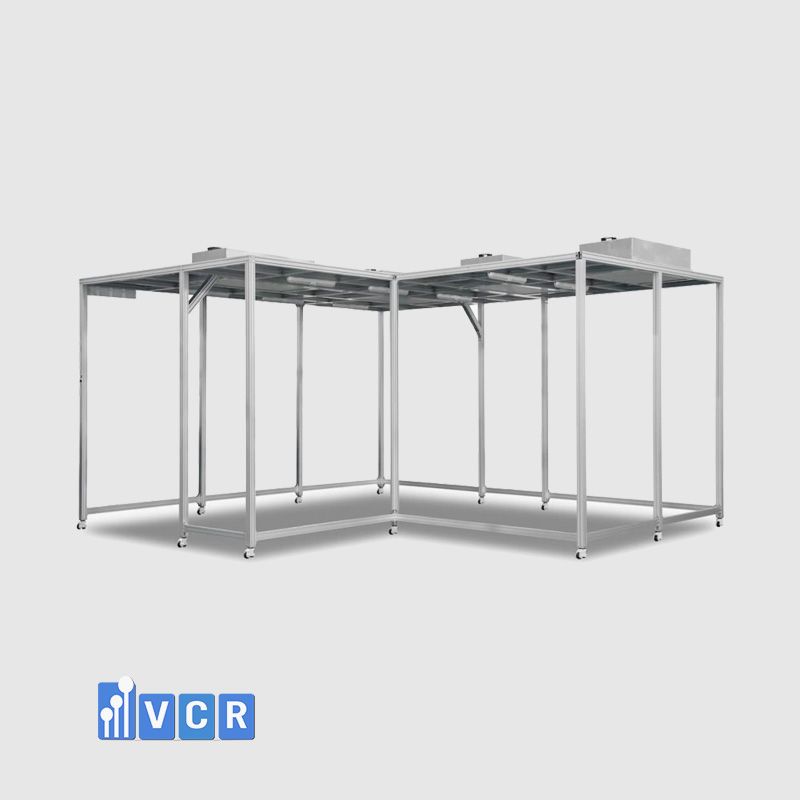
A Clean Booth is a type of mobile cleanroom with a modular structure that is easy to assemble and typically used to create localized clean air zones. Compared to traditional cleanrooms, Clean Booths are more cost-effective and can be deployed faster. They consist of aluminum/stainless frames, PVC curtains, and FFUs to maintain an ISO-compliant clean environment. Unlike fixed cleanrooms, Clean Booths can be dismantled and relocated.
|
Criteria |
Clean Booth |
Traditional Cleanroom |
|
Structure |
Modular, easy to assemble |
Fixed construction |
|
Flexibility to expand |
High |
Low |
|
Initial investment |
Low |
High |
|
Deployment time |
Fast |
Long |
2. Which industries are Clean Booths suitable for?
Clean Booths are ideal for industries that require temporary or localized clean areas, such as:
- Pharmaceuticals: weighing areas, packaging zones
- Electronics: SMT lines, inspection, and assembly
- Cosmetics: filling and packaging for handmade products
- Food processing: packing areas, tool sterilization zones
3. Can Clean Booths meet ISO 14644 standards?
Yes. When designed and operated properly, Clean Booths can achieve ISO Class 5 to Class 8 according to ISO 14644-1.
Details:
- Equipped with FFUs and HEPA/ULPA filters that remove 99.99% of particles ≥0.3 microns
- The number and layout of FFUs determine the cleanliness level
- Particle counters should be used regularly to validate performance
4. Can Clean Booths be expanded when needed?
Yes. Their modular design allows easy expansion by adding frames and FFUs.
Basic steps:
- Assess the area to be expanded
- Update the design and FFU layout
- Install additional frames and curtains
- Verify cleanroom performance after expansion
5. Do Clean Booths require a separate HVAC system?
Not necessarily. Integrated FFUs can supply sufficient clean airflow for many applications without HVAC systems.
Suggested solutions by scenario:
|
Application |
Recommended Setup |
|
Pharmaceutical weighing |
Standalone FFUs + pre-filters |
|
Cosmetic packaging |
FFUs + basic air supply |
|
Full-facility production |
Central HVAC required |
6. Can a Clean Booth replace a traditional cleanroom?
It depends on your needs. Clean Booths are suitable for fast deployment, cost-saving, and scalable solutions. However, they are not ideal for operations requiring full environmental control.
|
Criteria |
Clean Booth |
Traditional Cleanroom |
|
Flexibility |
High |
Low |
|
Cost |
Low |
High |
|
Control level |
Moderate |
High |
|
Long-term use |
Limited |
Optimal |
7. How much does a Clean Booth cost?
Typical costs range from 100 to 500 million VND (approx. $4,000-$20,000), depending on size, FFUs, frame type, and cleanliness level.
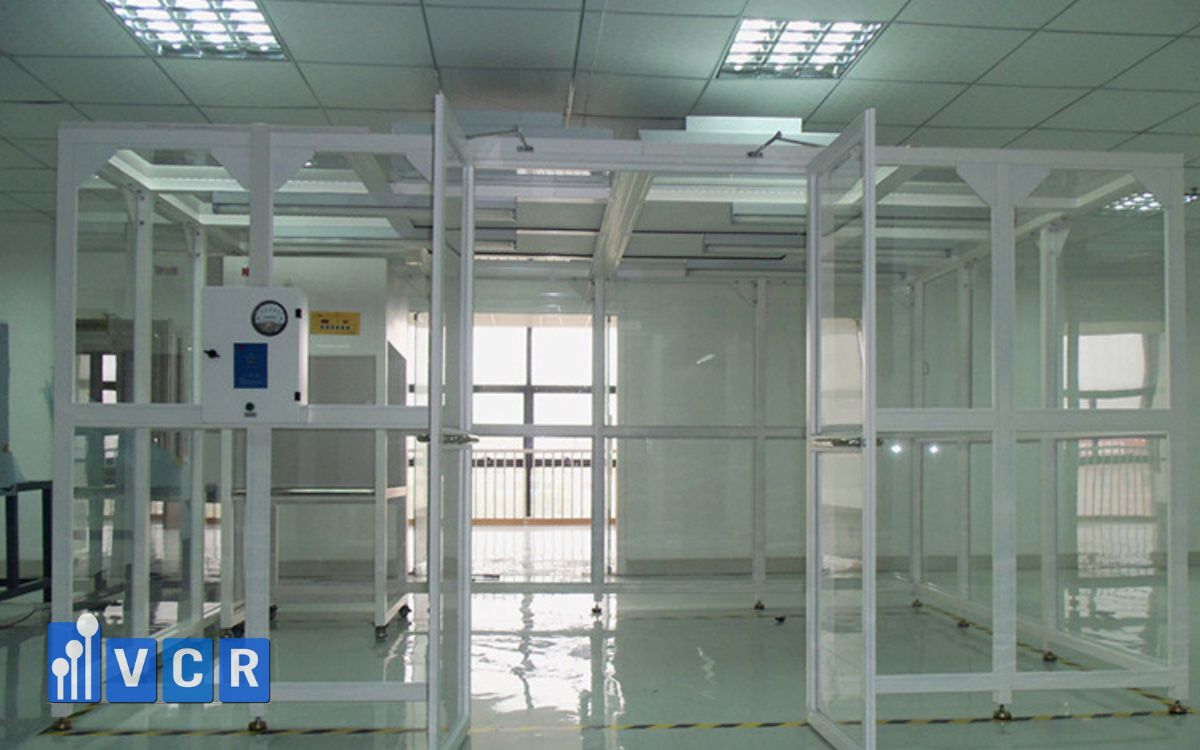
Cost factors include:
- Area (in m²)
- Number of FFUs and filters
- Frame material: aluminum or stainless steel
- Curtain type: soft PVC, anti-static
- ISO cleanliness class
8. Is Clean Booth maintenance complicated?
No. Maintenance is relatively simple, focusing mainly on cleaning and replacing filters.
Suggested maintenance checklist:
- Replace HEPA filters: every 6-12 months
- Inspect FFUs: quarterly
- Clean curtains and frame: weekly
- Particle count check: twice a year
9. How long does it take to install a Clean Booth?
Installation is fast-typically between 3 to 10 days depending on the size and technical requirements.
Installation steps:
- Consultation & site survey
- Preliminary design & solution approval
- Frame and component fabrication
- On-site installation and FFU setup
- Testing and handover
10. Which Clean Booth brand should I choose?
Choose a reputable provider with experience in cleanroom projects and certified equipment.
Selection criteria:
- ISO/CE-certified FFUs and HEPA filters
- Proven experience with GMP-compliant installations
- 12-24 months warranty
- Particle count validation support
III. Conclusion
Understanding Clean Booths before investing can help you avoid unnecessary mistakes in cleanroom planning. From ISO compliance, cost estimates, to expansion flexibility-Clean Booths offer an optimal solution for many businesses needing fast, localized clean environments.
If you're considering a Clean Booth for your facility, contact the VCR consulting team for the most suitable solution.
Explore more products at: https://cleanbooth.vn