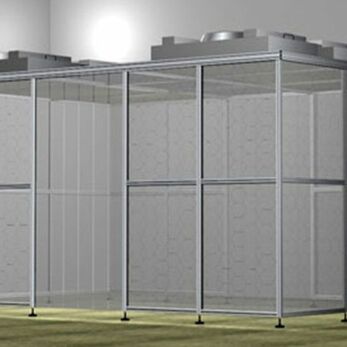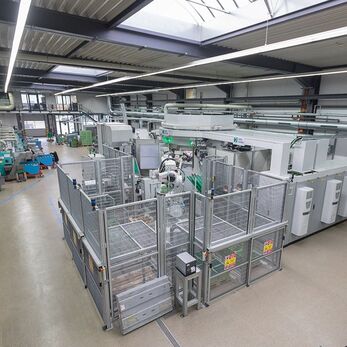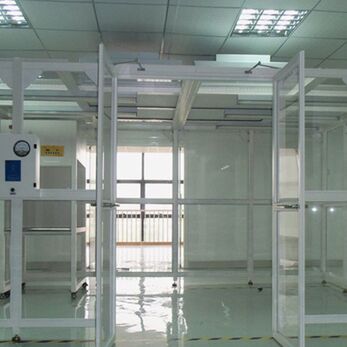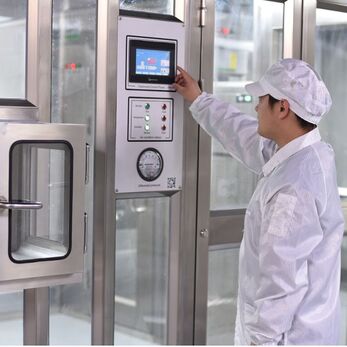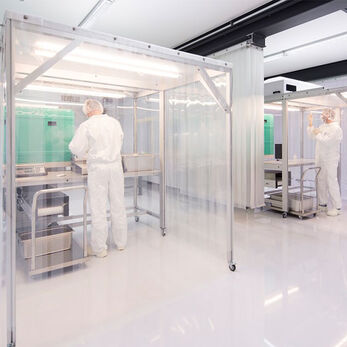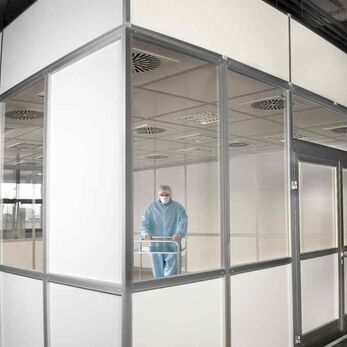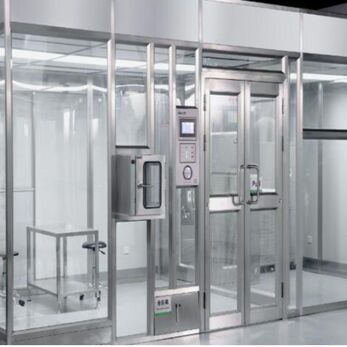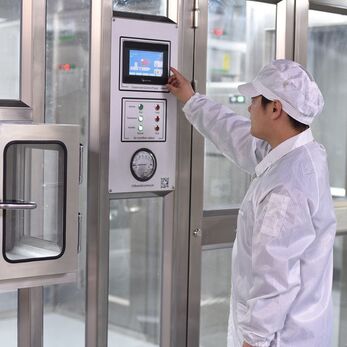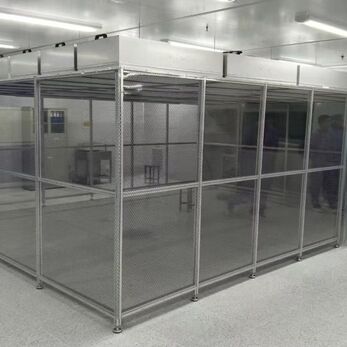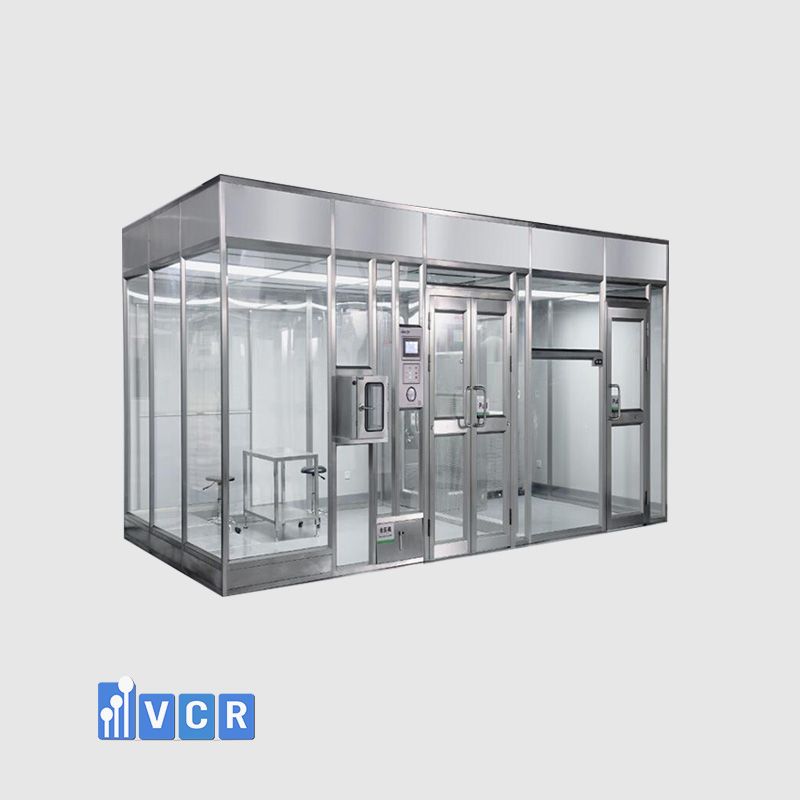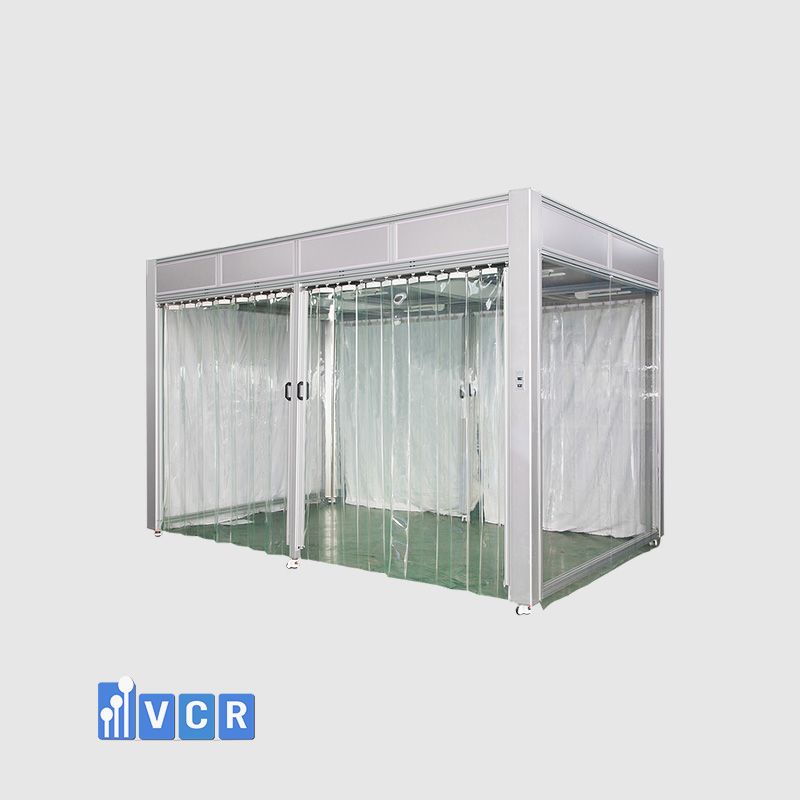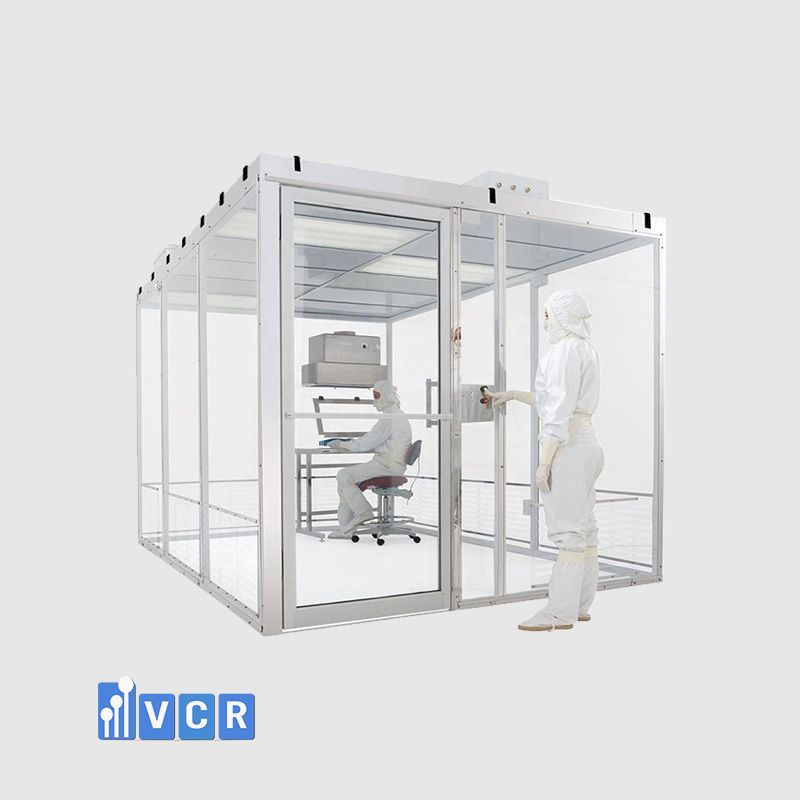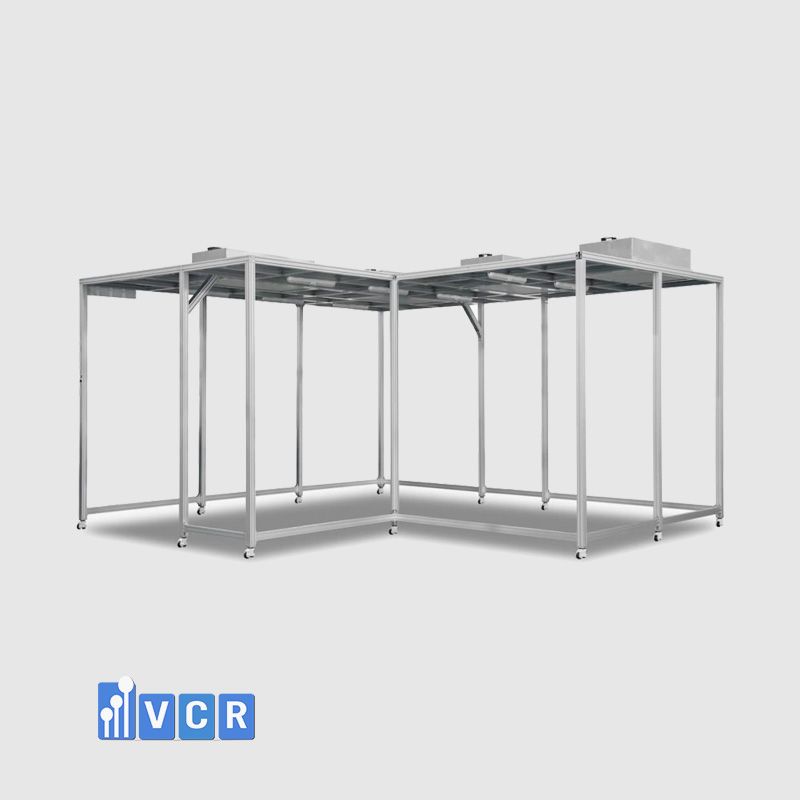

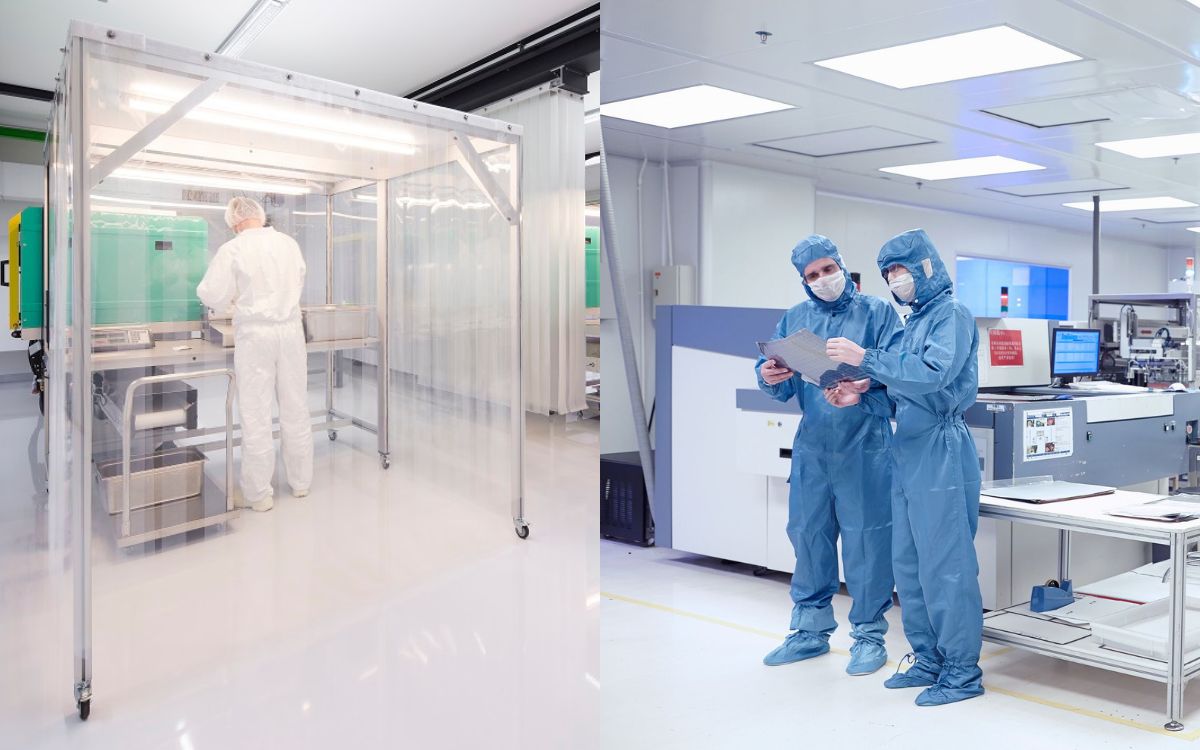
Clean booths are suitable in the early stages because of their quick and flexible construction, but when cleanliness requirements increase or GMP and ISO 14644 standards become more stringent, this model shows its limitations. Businesses that are slow to switch from clean booths to fixed cleanrooms are prone to cross-contamination, audit failures
- 1. When Should You Upgrade from a Clean Booth to a Fixed Cleanroom?
- 2. Key Signs It's Time to Transition from Clean Booth to Fixed Cleanroom
- 3. Clean Booth vs. Fixed Cleanroom - Overall Comparison
- 4. When Should You Not Rush to Transition from Clean Booth to Fixed Cleanroom?
- 5. Industry-Specific Recommendations - When to Upgrade to a Fixed Cleanroom?
- 6. Frequently Asked Questions
- 7. Time to Reevaluate Your Current Cleanroom Model?
1. When Should You Upgrade from a Clean Booth to a Fixed Cleanroom?
In many new factory projects, the clean booth is a popular starting choice due to its quick installation, low cost, and flexible layout. However, over time, as production lines expand, product purity requirements increase, or stricter audit standards are applied (e.g., GMP, ISO 14644), the clean booth begins to show limitations in performance, control, and stability.
Many businesses delay the transition, leading to risks such as cross-contamination, audit failure, or increased operating costs due to frequent maintenance.
So when is the right time to move from a clean booth to a permanent cleanroom? This article will point out 5 signs that cannot be ignored.
2. Key Signs It's Time to Transition from Clean Booth to Fixed Cleanroom
Clean booths are a flexible solution for the initial stage. But maintaining this model long-term is not always optimal. Below are 5 signs that it's time to upgrade to a fixed cleanroom to ensure long-term performance:
2.1. Expanding Production Scale - Clean Booth No Longer Fits
When the factory only has a few pilot stages, a clean booth can provide localized clean zones. However, when:
- The line expands to multiple areas
- Output doubles or triples
- Multiple zones need to be controlled simultaneously
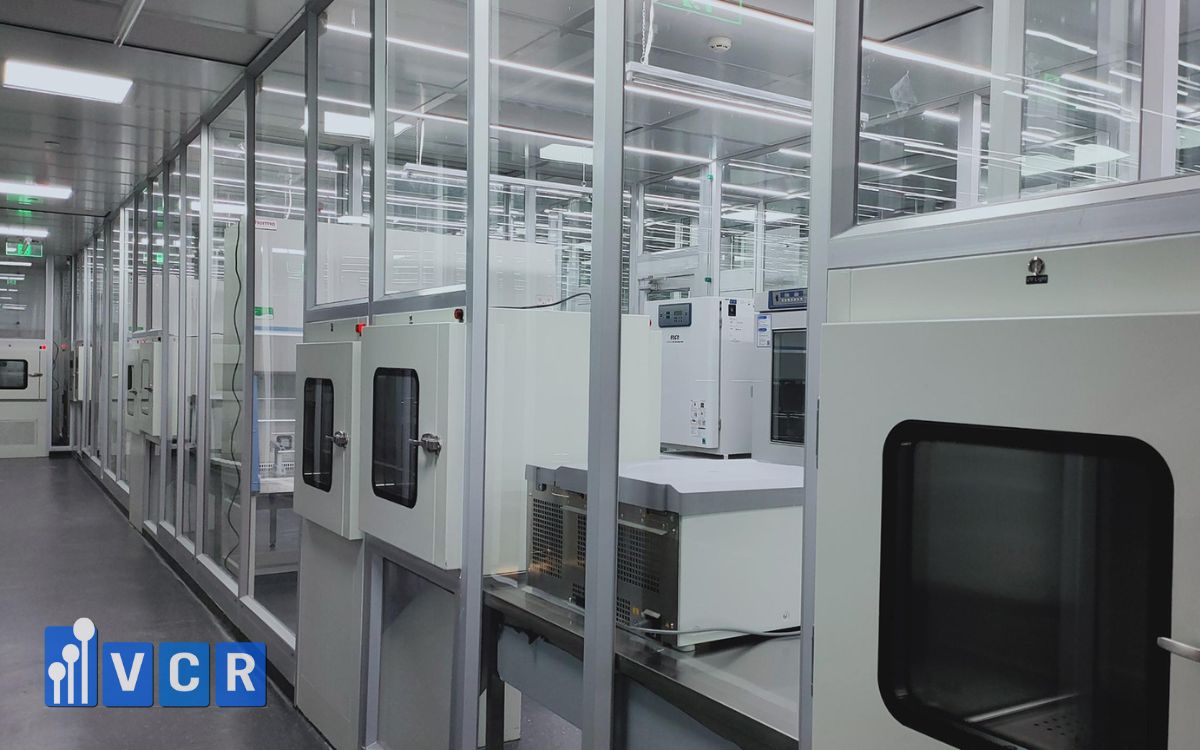
→ The clean booth becomes a "bottleneck" in performance and environmental control. Fixed cleanrooms offer synchronized, continuous spaces and better flow optimization for people and materials.
2.2. Higher Standard Requirements: GMP, ISO 14644, FDA...
Some production models - especially pharmaceuticals, export food, or OEM cosmetics - must meet strict standards like:
- EU-GMP: Does not accept temporary clean spaces (e.g., clean booths)
- ISO 14644: Tight regulations on materials, sealing, pressure differentials
- FDA: Full inspection from layout design to finishing materials
Clean booths often cannot meet these due to:
- Lightweight frames that struggle to maintain stable pressure
- Inability to integrate standardized HVAC systems
- Aging materials that are hard to sanitize according to SOPs
2.3. Poor Control of Cross-Contamination and Airflow
Clean booths typically:
- Lack airlocks for transition buffering
- Do not separate flows for people - materials - products
- Are prone to leaks and air turbulence, causing cross-contamination
Fixed cleanrooms allow:
- Clearly divided functional zones (white - gray - black)
- Standard-compliant interlock systems, pressure control, air showers
- Airflow management based on unidirectional flow diagrams
→ These reduce cross-contamination risks and improve particle/microbe control.
2.4. Need for Automation Integration - Clean But Also Smart
As factories move toward automated production, clean booths become too fragile for equipment like:
- Robotic arms, high-speed filling machines
- Automated packaging lines, conveyor belts
- Smart HVAC systems with 24/7 environmental monitoring
These systems require rigid, vibration-resistant structures, which only fixed cleanrooms can provide.
2.5. Rising Operating and Maintenance Costs
At first, clean booths save on investment - but over time, you’ll need to:
- Regularly replace filters, FFUs, lighting
- Repair frame warping or loose joints
- Allocate manpower for manual cleaning and calibration
Fixed cleanrooms, by contrast, are built with durable materials (panel, stainless steel, tempered glass...) and designed to minimize long-term maintenance costs.
See more: 2026 Trends for Clean Booths for Cosmetic R&D
3. Clean Booth vs. Fixed Cleanroom - Overall Comparison
Before upgrading, many businesses hesitate between keeping the clean booth or investing in a fixed cleanroom. The table below provides a side-by-side comparison to help determine which suits your current needs.
|
Criteria |
Clean Booth |
Fixed Cleanroom |
|
Initial Investment Cost |
Low - suitable for pilot or early-stage setup |
Higher - requires larger capital investment |
|
Construction Time |
Fast (1-2 weeks) |
Moderate (1-3 months) |
|
GMP Compliance |
Limited - mostly suitable for low ISO classes |
Fully compliant with GMP, ISO 14644, FDA standards |
|
Ease of Expansion/Relocation |
Easy to dismantle and relocate |
Difficult to alter once completed |
|
Long-term Stability |
Low - quick degradation, frequent maintenance |
High - stable operation, fewer system failures |
Recommendations:
- If you're operating in a pilot, R&D, or seasonal production phase, the clean booth remains a cost-effective choice.
- But if you're targeting export markets, GMP certification, or large-scale production, a fixed cleanroom is the sustainable solution in the long run.
4. When Should You Not Rush to Transition from Clean Booth to Fixed Cleanroom?
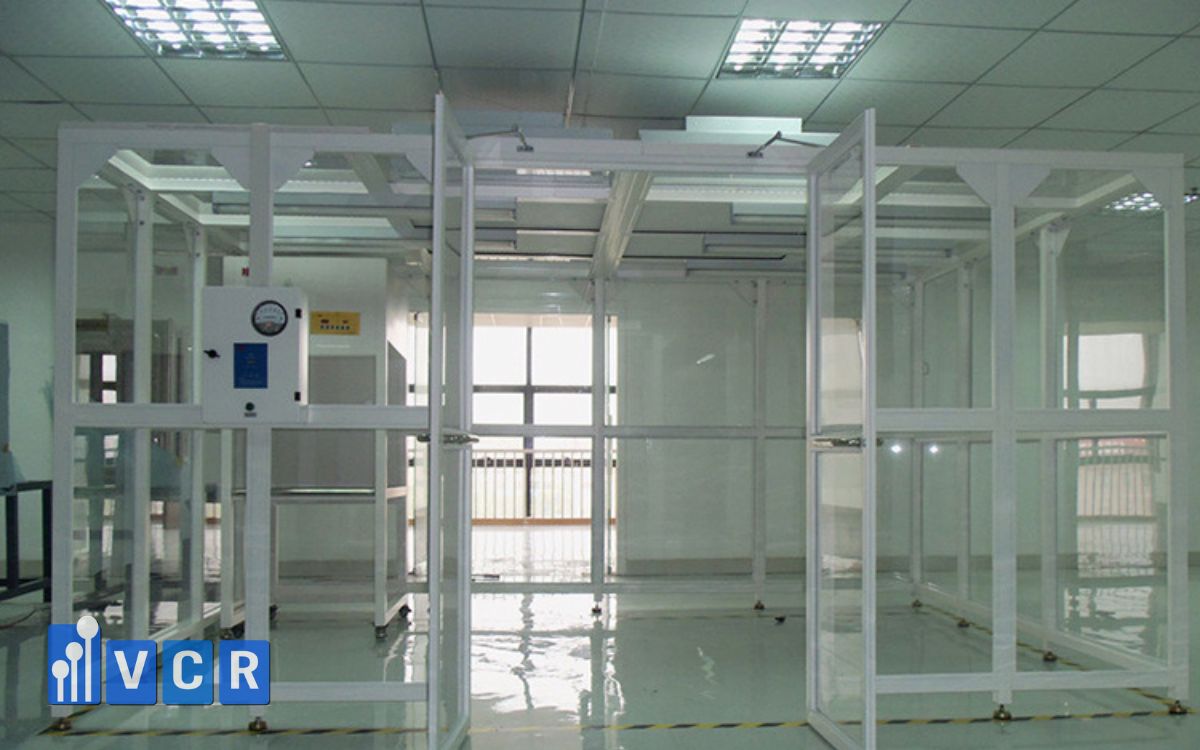
Not all businesses need or should invest in a fixed cleanroom immediately. In some cases, maintaining a clean booth temporarily is actually a more practical solution, helping to optimize budgets and allow greater flexibility in production management.
Here are 3 situations where delaying the transition is worth considering:
4.1. Production is Still in Pilot or Unstable Phase
If your production line is still in the pilot stage, R&D, or undergoing frequent layout or formula changes, investing in a fixed cleanroom may lead to waste.
The clean booth allows you to:
- Easily reconfigure equipment and process flow
- Rapidly test multiple production models
- Minimize risk of investing in the wrong infrastructure before finalizing technology
4.2. Investment Capital Is Not Yet Ready
A fixed cleanroom requires significantly higher capital than a clean booth, especially when high standards (GMP, ISO Class 5-6) are involved.
If your business:
- Is a startup or operating on limited capital
- Has not yet secured funding
- Wants to validate profitability before scaling up
→ A clean booth serves as a temporary solution to reduce financial pressure and remain flexible in your growth plans.
4.3. The Production Line Is Seasonal or Based on Short-Term Contracts
For industries that operate on seasonal orders (e.g., handmade cosmetics, nutritional supplements, OEM electronics), clean booths are ideal due to:
- Quick installation and easy dismantling
- No maintenance costs during off-seasons
- Reusability across different projects
A fixed cleanroom is not recommended if the facility only runs 3-6 months a year or lacks long-term production contracts.
See more: Mini Clean Booth: Economical solution for laboratories
5. Industry-Specific Recommendations - When to Upgrade to a Fixed Cleanroom?
The decision to upgrade from a clean booth to a fixed cleanroom isn’t just about scale or cost - it heavily depends on the requirements of your industry. Below are industry-specific recommendations to help assess the right time to make the switch:
Pharmaceuticals - Fixed Cleanroom is Almost Mandatory
Under EU-GMP, clean booths are not accepted due to their inability to ensure pressure differentials, microbiological control, and airflow management.
Areas such as weighing rooms, filling stations, primary packaging must be designed with fixed cleanrooms, featuring airlocks, interlocks, and precise differential pressures.
During GMP inspections, clean booths often fail audits, affecting licensing and export timelines.
Recommendation: If your facility targets GMP certification, invest in a fixed cleanroom from the design phase.
Food Industry - Cleanroom Required for Deep Processing or Export
For advanced processing plants (e.g., powdered milk, functional foods, fermented beverages), strict control of dust, microbes, and odors is critical.
When applying standards like HACCP, ISO 22000, a fixed cleanroom helps ensure proper zoning, prevent cross-contamination, and streamline workflows.
If your business is targeting exports to Japan, the EU, or the US, a fixed cleanroom is a major plus in quality documentation.
Recommendation: Upgrade when scaling up or negotiating with international clients.
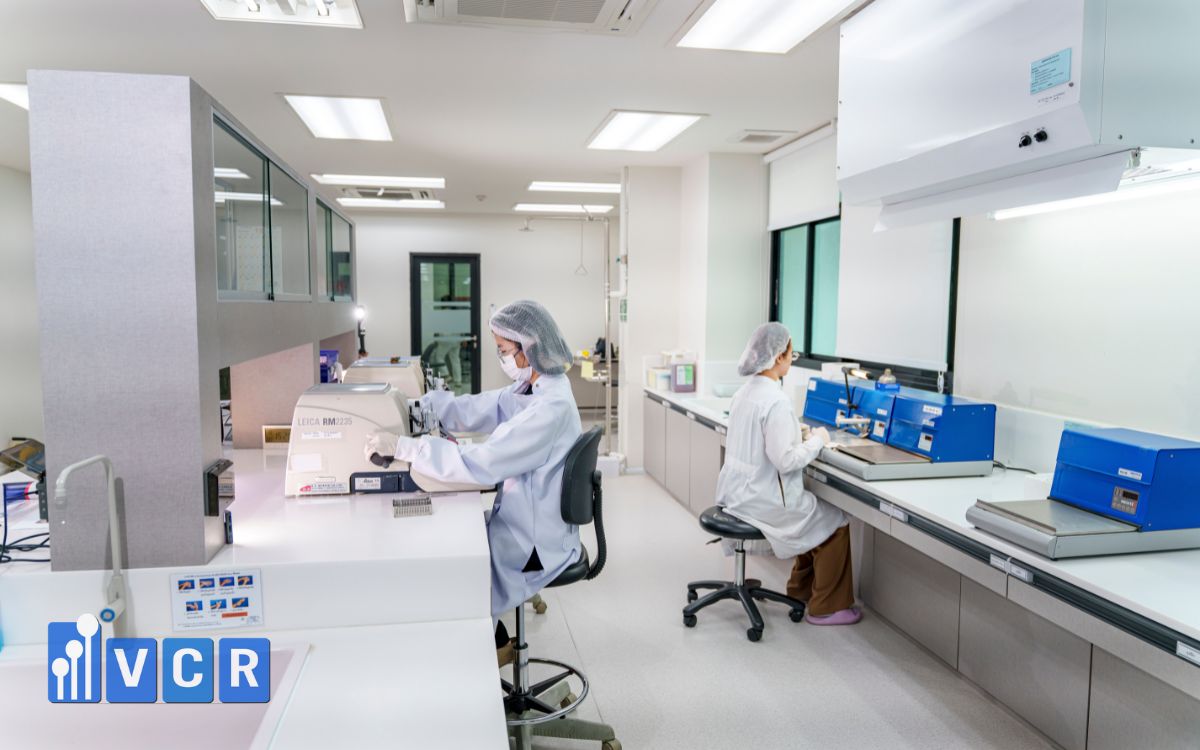
Handmade Cosmetics - Clean Booth Still Suitable for Small-Scale
For small-scale or OEM cosmetic workshops, clean booths may suffice if:
Production volume is low
No automated filling is involved
GMP or ISO 22716 certification is not required
However, to compete for larger OEM contracts, a fixed cleanroom enhances credibility and opens new business opportunities.
Recommendation: Reassess every 6-12 months to determine the right upgrade time.
Electronics - Fixed Cleanroom Required for ISO 5-6 or SMT Integration
Areas like SMT lines, photolithography, and inspection zones demand high cleanliness and long-term stability - which clean booths cannot provide:
- Unidirectional airflow
- Static control
- Vibration isolation for sensitive devices
When manufacturing advanced products (e.g., camera modules, chips, semiconductors), a fixed cleanroom becomes the minimum standard.
Recommendation: Upgrade when expanding SMT lines or targeting ISO 14644-1 Class 6 or higher.
6. Frequently Asked Questions
Is a clean booth considered a cleanroom?
A clean booth is a type of portable clean environment, often used to isolate critical production zones. However, it does not provide the stability or containment of a fixed cleanroom, and cannot meet stringent standards like GMP or ISO 14644. It's best suited for pilot production or processes with basic cleanliness requirements.
Can a clean booth be upgraded into a fixed cleanroom?
Technically, a clean booth cannot be directly converted into a fixed cleanroom due to major differences in structure, materials, and HVAC integration. However, some equipment from the clean booth - such as FFUs, cleanroom lighting, and air showers - can be reused when building a new cleanroom, helping to save initial investment costs.
Is a fied cleanroom mandatory for GMP-compliant factories?
Yes. For facilities following EU-GMP, WHO-GMP, or PIC/S, a fixed cleanroom is nearly always required to ensure:
- Stable pressure differential
- Durable, easy-to-clean materials
- ISO-validated cleanliness levels
Clean booths do not meet audit criteria for GMP in critical areas like weighing, filling, and primary packaging.
7. Time to Reevaluate Your Current Cleanroom Model?
If you are:
- Operating a clean booth but facing growing performance limitations
- Planning to scale up or comply with GMP/ISO
- Seeking cleanroom design consulting tailored to your industry
Don’t wait until you're forced to fix mistakes.
Contact VCR’s experts today to get:
- 1:1 free consultation for your specific industry (Pharma - Food - Electronics - Cosmetics)
- Customized cleanroom design proposals aligned with your budget and business goals
- Recommendations on how to reuse clean booth equipment where possible
Let me know if you’d like this turned into a downloadable whitepaper or formatted for website/blog integration.
Hotline: 090.123.9008
Email: [email protected]
Website: https://cleanbooth.vn/
Diep VCR